
Leave it late
Admittedly, through eagerness, we all tend to arrive too early during any fishing trip, let alone one planned for evening time. I’m lucky in that my nearest river is a mere three miles from home, so I’m there five minutes. This means I needn’t rush and in the height of summer my arrival time might be as late as 10pm. By now, all the other anglers are packing down with remarks of “a lack of fish”. Little do they know that things are about to ‘hot up”. Often the best of any action begins just on dark, which in summer is later than you might think, especially the further north you are.
Prepare for low light
Before venturing out for an evening on the river, it’s vital to get the lie of the land with a daytime visit. Now, you’re able to identify the access and exit points of certain pools and also determine where deep water exists, which is to be avoid in the fading light. You’ll also get a feel for the nature of the water you aim to fish, where those faster currents occur, and of course where flows fall slack. It’s also surprising the number of anglers who turn up to enjoy a spot of evening fishing without a head torch. Not only is this vital for changing flies as darkness falls, a torch beam is always handy when unhooking and releasing trout. Whatever you do, refrain from sending beams of light out over the water as this can alarm nearby trout. Although the phrase “I need a larger landing net” is a standing joke amongst anglers, a large rim landing net can be a massive advantage is poor light as it enable us to net trout more quickly with less likelihood of missing them in the dark when attempting to scoop up a fish, hell bent on heading away from the margins.
Take a spare rod
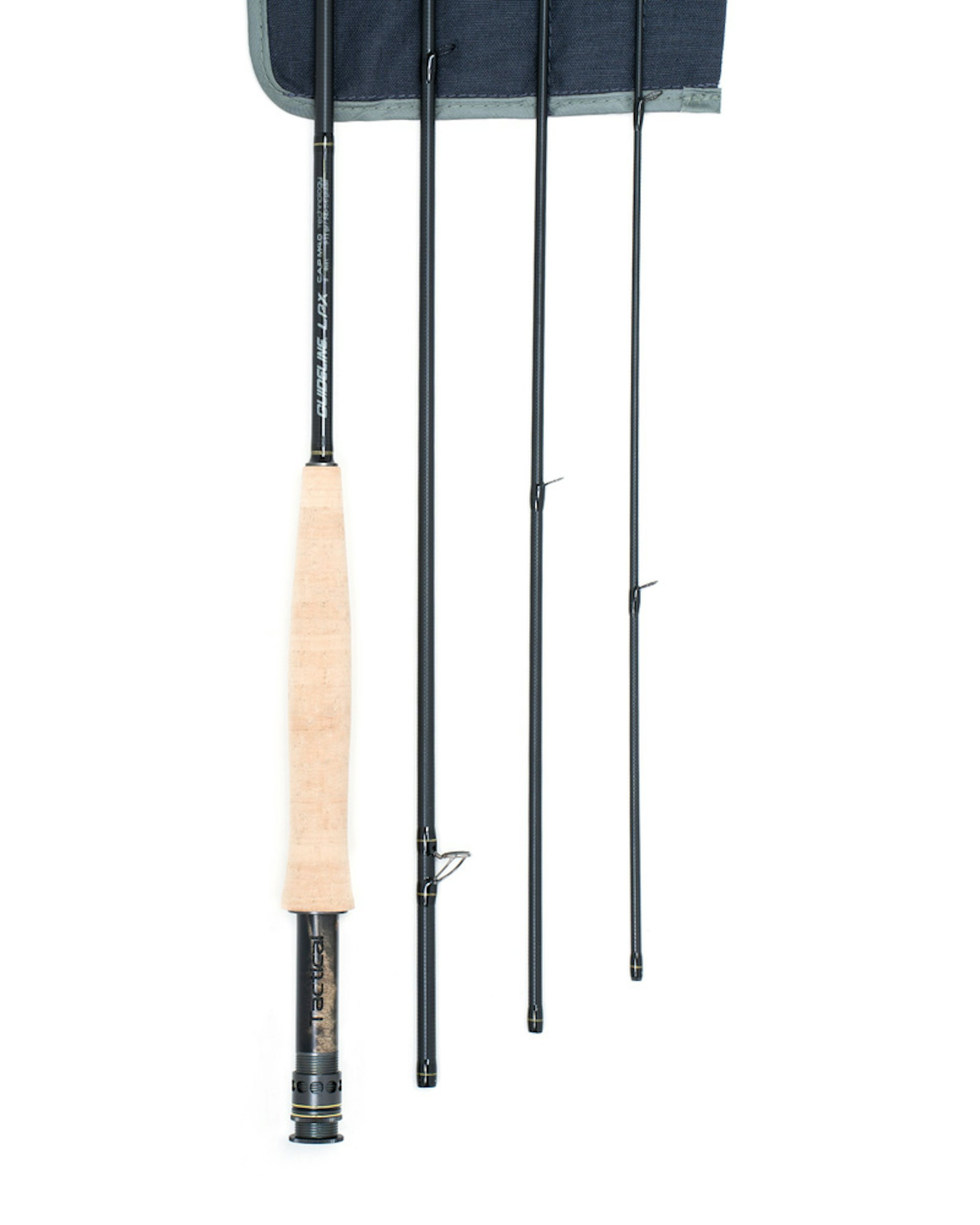
Depending on fly life, or a certain hatch (caddis for example), evening sport might be short and sweet, perhaps lasting all of an hour. Aware time is precious now, a tangled leader at the start of any activity can see us frantically fumbling around to sort out the mess. Poor light doesn’t help the problem and the more we rush the worse things get. Before we know it, twenty odd minutes have slipped by and feeling rush, we never quite perform as good as perhaps we should. Carrying a spare outfit and your set-up, means you can simply pick this up as though nothing ever happened, leaving the offending leaders to be re-tied at home in decent light. A favourite outfit with the Guideline team is the Tactical LPX 904 – sensitive enough to protect finer tippets, yet has sufficient backbone to subdue larger trout, which often lurk on dark. Modestly priced, it won’t break the bank either!
Use a weight-forward profile
A weight-forward taper definitely helps when it comes to evening fishing. Such tapers help load (flex) the rod more quickly to get the fly where it needs to be in an instant and with little fuss. Two of the Guideline fly lines that stand out here are the WF Presentation Plus and Brook WF line. In particular the Brook WF excels as its short head gets everything moving in super fast time and the more obvious white colour is easily seen in fading light to help locate your fly’s whereabouts.
Do Not Disturb
As the shadows grow long, trout begin to venture out to their favored feeding lies and with darkness acting as a cloak these fish feel safe now. Under such conditions, it’s not unusually for trout to take up station in extremely shallow water, close to banks. Granted, we might not have to wait until sun down, but by the same token, don’t be too eager to start thrashing the water to a foam. Such actions are bound to alert any trout which might have considered feeding nearby. My advice is to wait until several trout are feeding confidently within casting range before you consider unlatching the fly. Whilst there comes a point where our floating flies are rendered invisible due to darkness, we can achieve an extra five to ten minutes worth of visibility be crouching down. Scanning across the surface rather than down on it, we’re able to see the outline/indentation of dry flies for longer.
Some anglers think nothing of wading in right to their limit before chucking out a long line. Come evening time, such behaviour inadvertently alarms trout stationed by the margins. Ideally, without getting your feet wet, begin using short casts to explore the margins before extending line to search further out. Wading merely serves to send out warning ripples, especially where flows fall slack. For stealth wading look no further than the Guideline Laxa Traction wading boot and the ULBC (ultra-light) chest waders, which offer unparalleled performance in this scenario.
Tippet - how fine should I go?
Nervous creatures at the best of times, a trout’s senses often go into overdrive during low water. The upshot being, our tackle needs refinements to ensure the business end lands like thistledown in slack flows. Whilst I’m happiest with tippets of approx 0.14-0.15mm dia (approx 4.5lb) this can confidently be reduced to 0.13mm (approx 3lb) without the worry of breakages when using the above mentioned 4-weight outfit. The idea of dropping down in diameter has nothing to do with trout seeing our monofilament, after all, a ruddy great piece of iron protrudes out of our fly’s backside! It’s geared towards giving imitations freedom of movement, so they conform with surface currents to appear convincing. Granted, a thickness 0.02mm sounds like nothing, but you’ll be surprised how effective such diligence can be. My preference is copolymer type monofilaments due to their supple nature, Guideline Power Strike Plus copolymer ticks all the boxes here with 5x (0.148mm) being my ‘go to’ diameter for larger flies and 6x (0.128) perfect for smaller patterns. Where currents create a riffle, our leader/tippet is easily disguised by the broken surface. However where slacker currents occur the surface may remain calm, which means the telltale wake that can alert trout. It’s as well then to degrease your tippet section in such circumstances.
Fly movement & color
Whilst the static dry fly tempts its share of trout, in the fading light, trout often become a little braver. Now, working your fly not only creates a wake that attracts fish, but due to the resulting constant tension, we’re able to detect takes by touch, rather than sight. This is extremely important given our eyesight becomes impaired because of the growing darkness. Selecting an imitation with the appropriate wing colour can massively increase our odds. If casting towards a dark area, maybe a tree lined shore, or one where a hills create a dark backdrop then select flies with white or yellow colours wings/posts. Conversely, when casting out towards a sinking sun, or where a silvery shimmer is evident then dressings with black, or dark wing shades will be more obvious to us. In the growing darkness, our dry flies might inadvertently sink without us being aware of this. Knotting on flies dressed with buoyant materials like foam and deer hair does help. However, a treatment of Guideline Liquid Floatant and Powdered Floatant keeps them riding high.
Fly size - when to go large or small
Trout rising in the evening have reputation for being notoriously difficult to tempt. In truth, this is only partly true, especially during the early stages of a hatch, which may begin before sunlight is off the water. Due to the brightness now, fish are often nervous and respond better to smaller flies, even when the naturals they’re feeding on might be larger. If you experience refusals, or see fish simply nosing the fly, rather than knot on an entirely different dressing, think of merely dropping down in fly size, perhaps from something like a size 16 to a size 18, or even 20.
Whilst contradicting the above there are times when stepping up in fly size can be beneficial come evening time. Lots of natural insects littering the water often mean your imitation gets lost in the crowd. An oversized fly stands out, hopefully making it more attractive. Equally, given a breezy surface, smaller flies are easily lost in the commotion of a ruffled surface. Again, think about selecting a larger imitation. Perhaps more poignant though is increasing the size of your fly as the darkness grows. A sinking sun usually sees trout lose some of their inhibitions and become bolder in their behaviour. Now, a larger fly cast out into the gloaming can be devastating.
Final words
Trout fishing during dusk can be a painful experience as your most important sense, your eyes, are partly taken out of the equation. Yet, for those willing to embrace the darkness, the rewards can be significant. The chance of connecting with a larger fish increases, as bigger trout often feel safer under the cover of low light. Fish are generally less wary, moving more freely and feeding with confidence. And perhaps just as valuable — the water is quieter, with fewer anglers around, allowing you to fully immerse yourself in the experience. In the end, success at dusk comes down to trust: trusting your instincts, your water reading, and your flies. When vision fades, intuition takes over — and that’s often when the magic happens.
The right gear for the late evening hatch

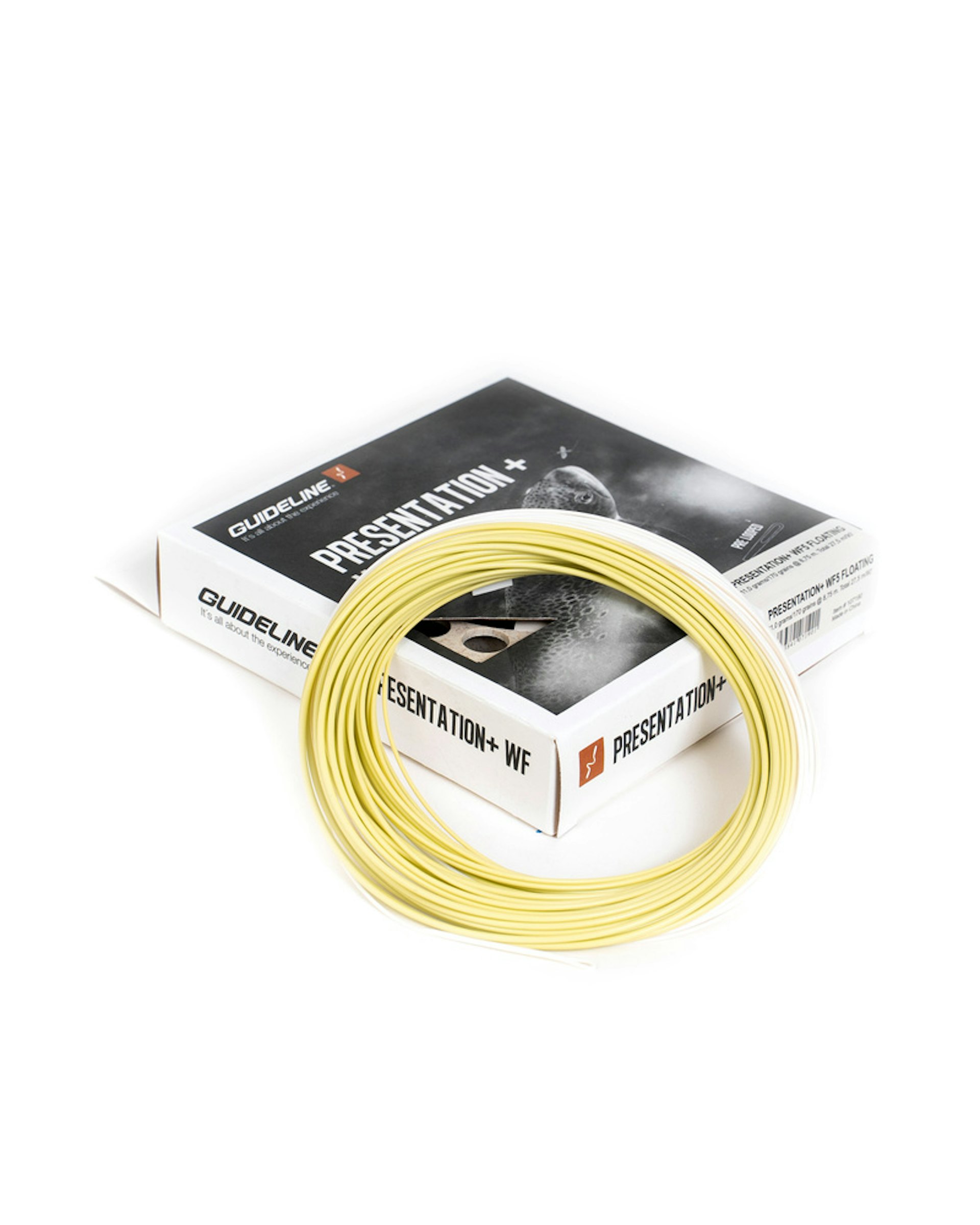
Presentation is a great all-round line that is easy to cast and delivers superb presentations.
Read morePresentation+ WF
99.99 USD
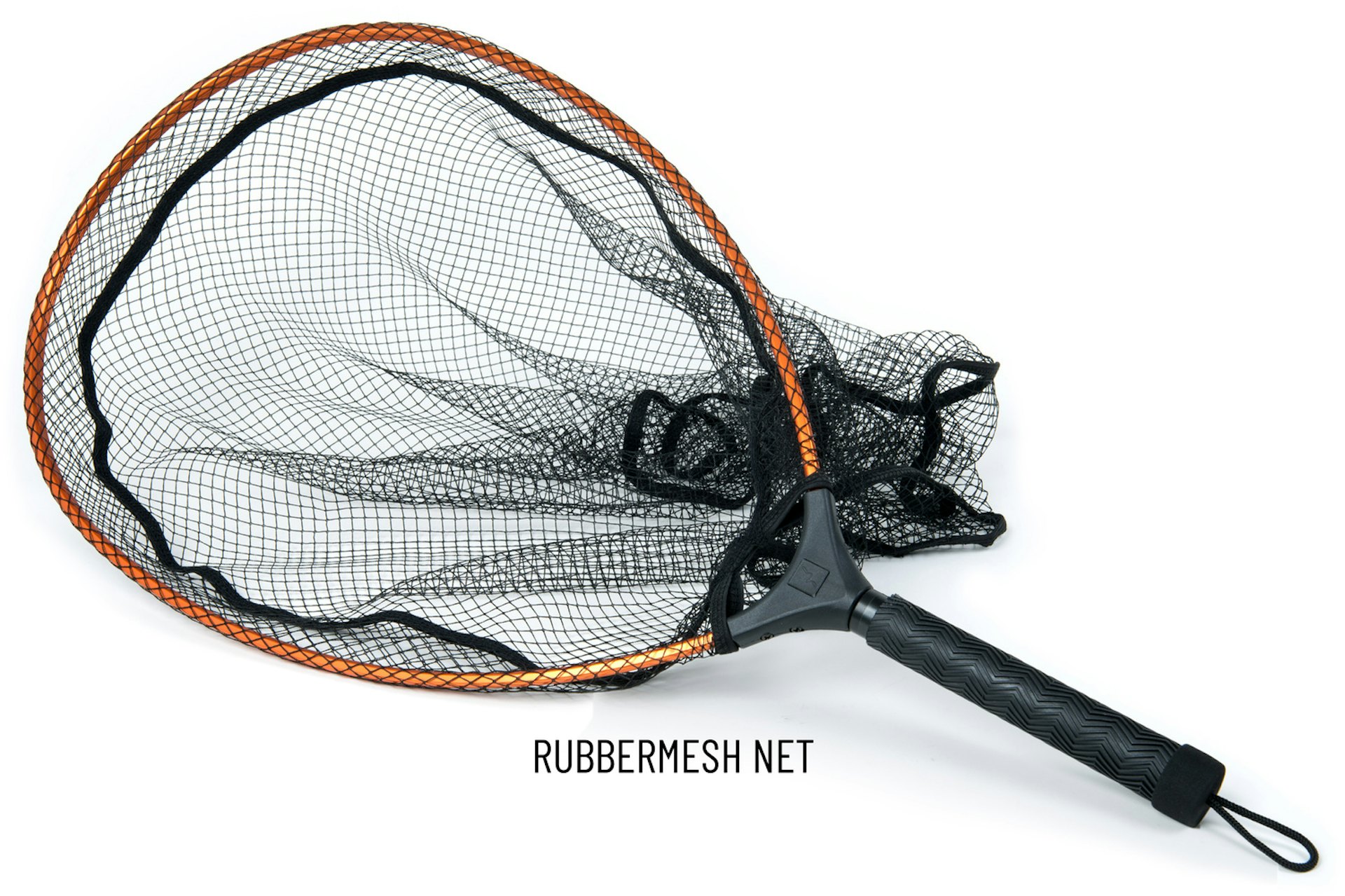
Guideline Multi Grip is a net system with different frames and exchangeable handles in various models. This model Large has a rubber mesh.
Read moreMulti Grip Net - Rubber Mesh #L
99.99 USD

The Brook WF is the small stream specialist line that makes casting easy when space is limited.
Read moreBrook WF
99.99 USD


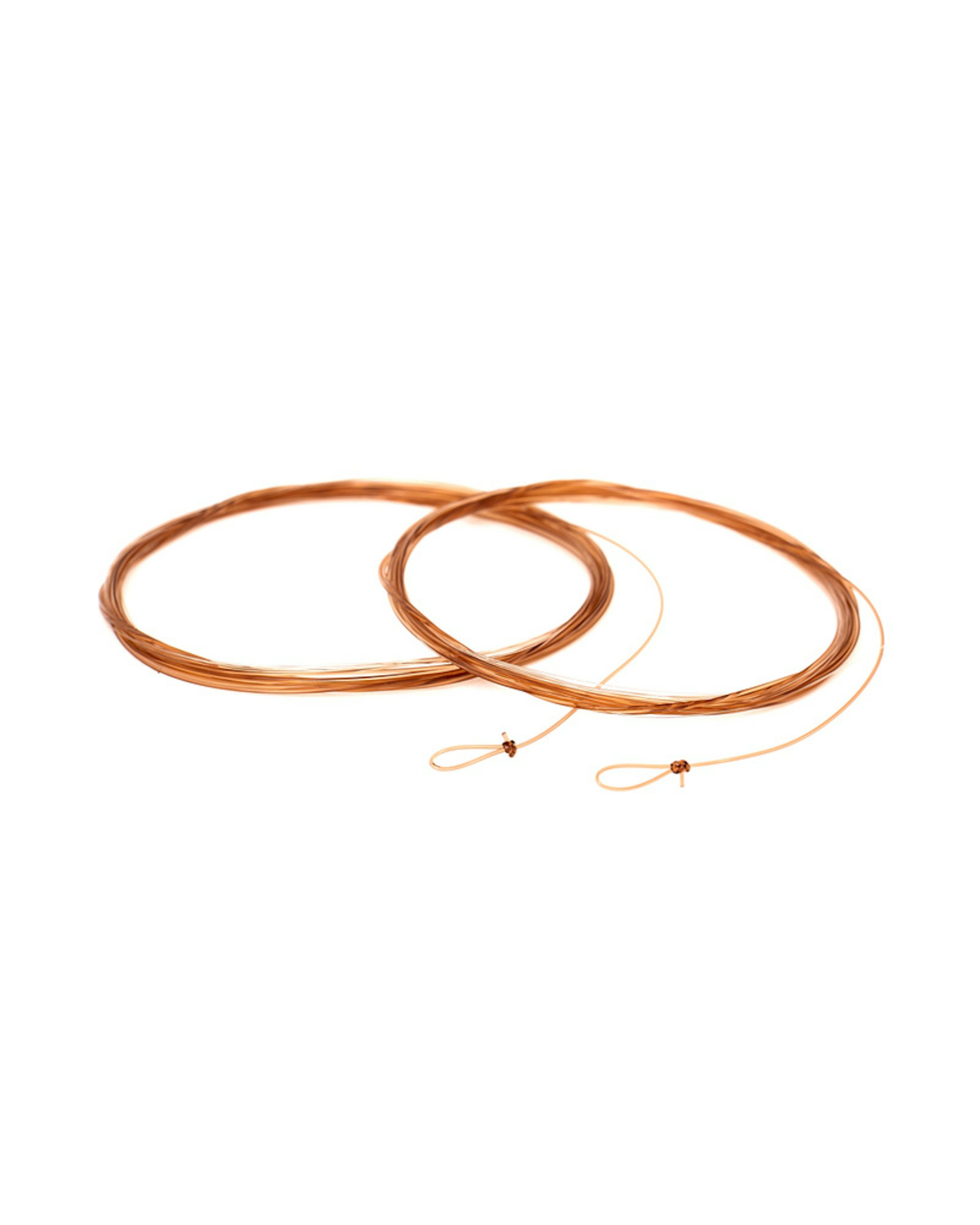
The Power Strike PRO Dry & Stealth TROUT leader possesses a heavier butt section, resulting in a more distinct and positive turnover than the LIGHT TROUT leaders. Due to the increased butt diameter this taper perfectly matches fly line ratings of 4-weight and upwards. The Dry & Stealth leaders provide uncompromised presentation and control. Without question these are considered the most versatile dry fly leaders out there!
Read moreDry & Stealth Trout 12 ft
9.99 USD

Our improved Power Strike+ tippet and leader material is manufactured from the highest quality Japanese co-polymers available.
Read morePower Strike+ Spools
9.99 USD