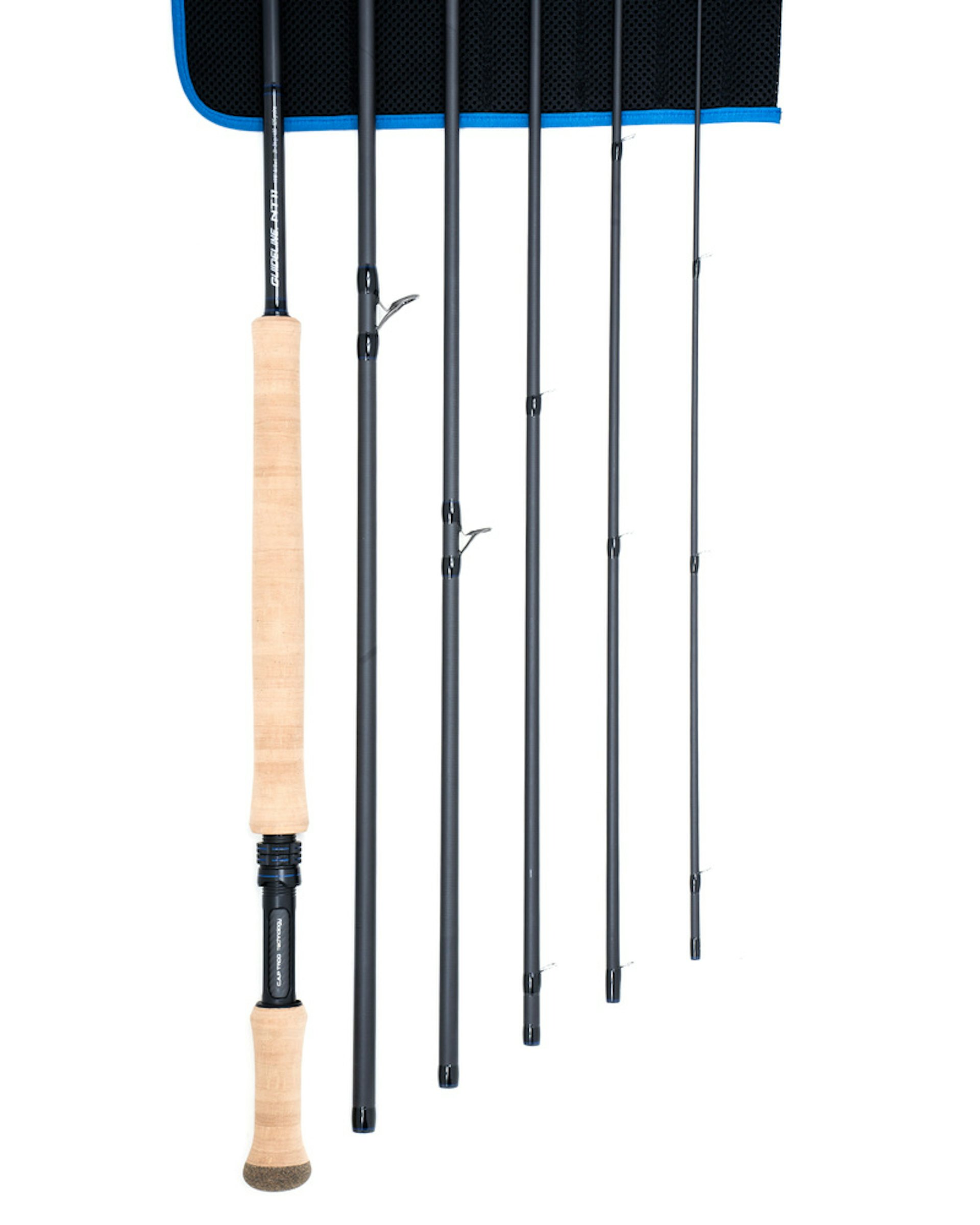
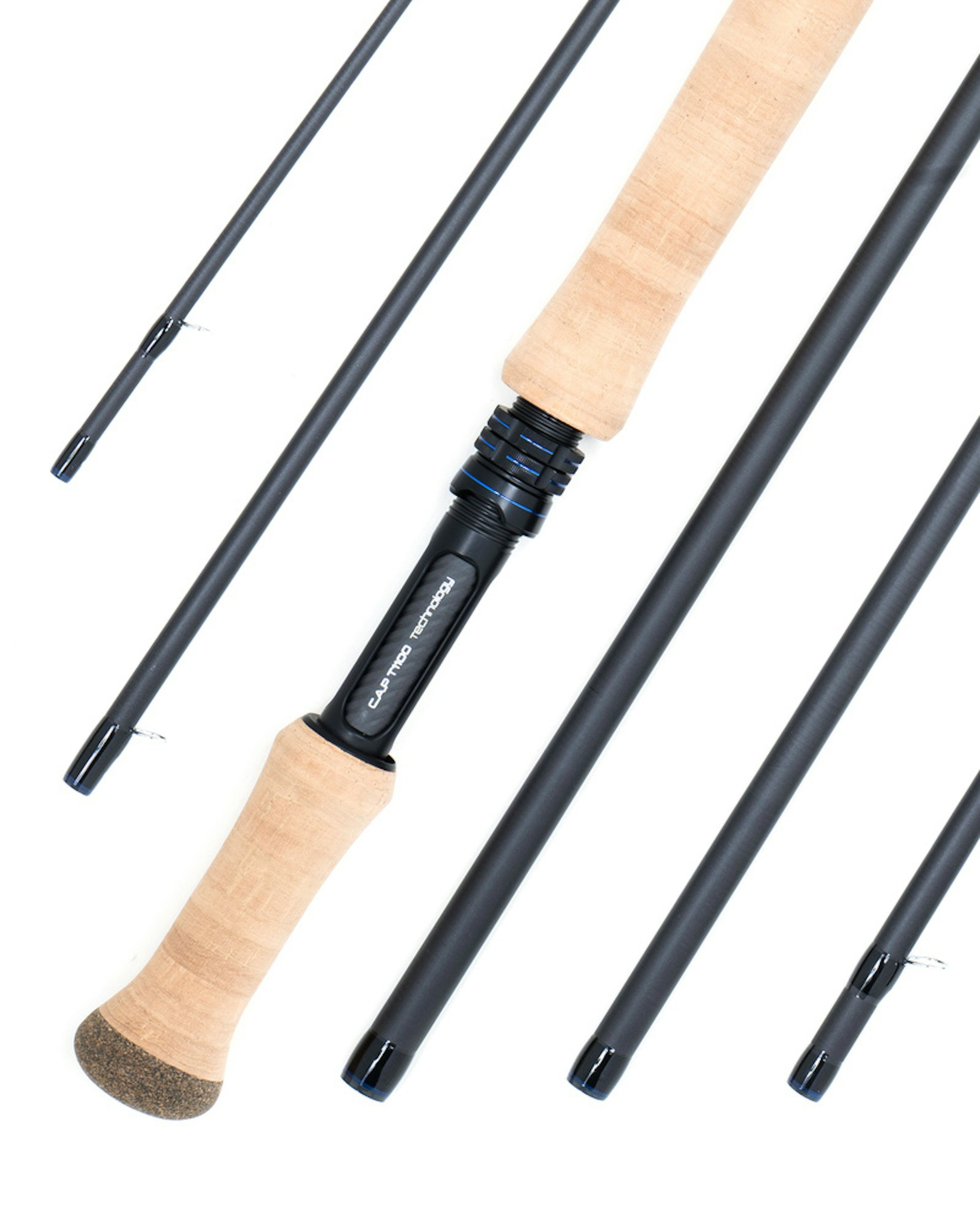
NT11 Switch fly rods are the result of taking advantage of the very latest and most sophisticated state of the art graphite materials used in the aerospace industry today.
Read moreNT11 Switch 6-PC
1 050.00 USD
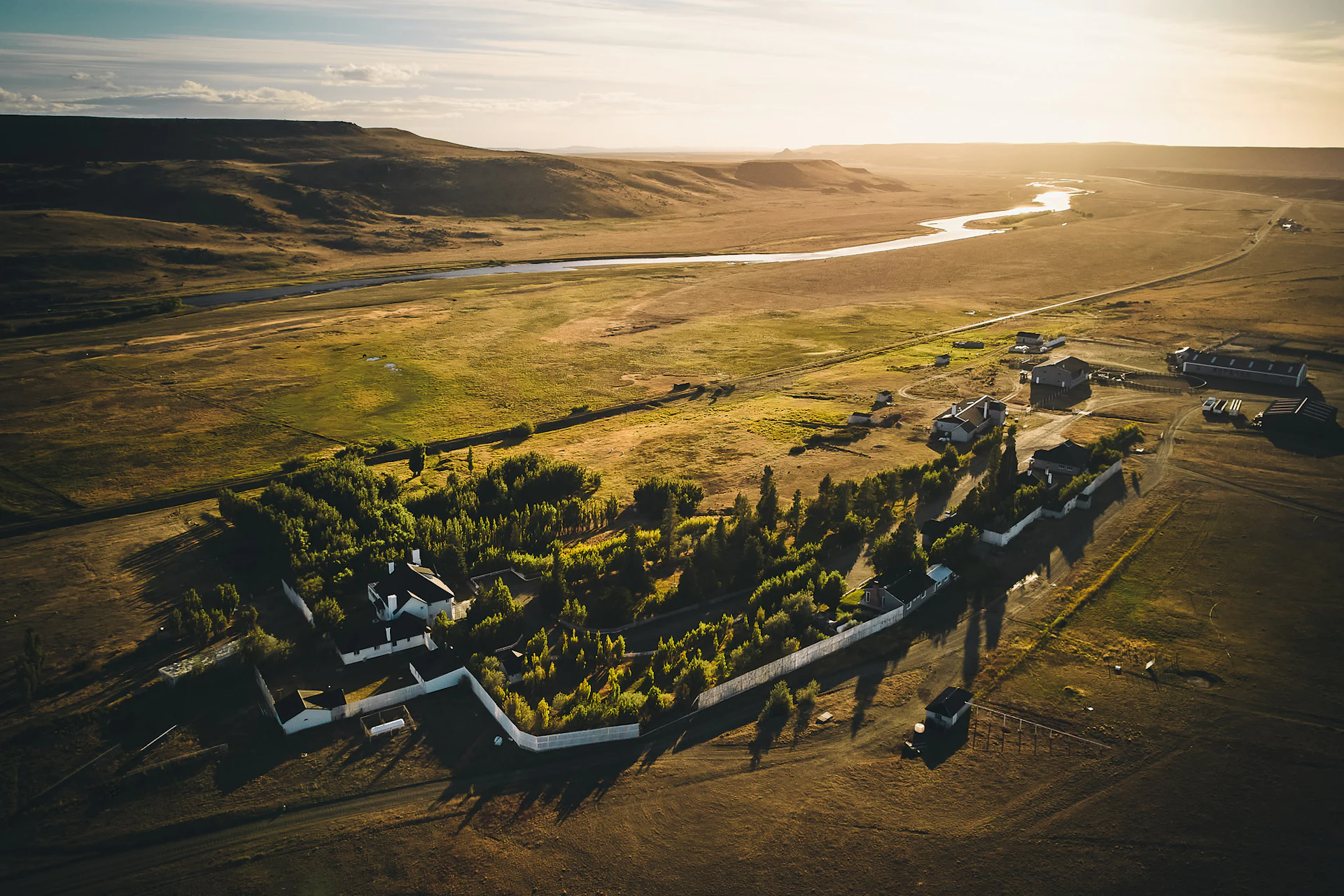
Arriving at Bella Sofia Lodge is to step into a quiet that most fly fishers only read about. Perched on the banks of the Río Gallegos in the far south of Argentine Patagonia, the lodge has built its reputation not on volume, but on something far harder to manufacture: restraint. Six rods. Seventy kilometers of water. A season that runs from January through April. That ratio — less than one rod per twelve kilometers — is not an accident. It is a philosophy, and it shapes everything that happens here, from the way the guides plan each day to the way fish behave in pools that have barely seen a fly.
This was a season that would test both that philosophy and our tackle in equal measure — and, in doing so, reveal exactly why the partnership between Bella Sofia and Guideline is built on more than shared aesthetics. It is built on shared values.
Low water on the Río Gallegos is a different kind of problem than low water on most rivers. Here, the terrain is open and relentless — no streamside trees to break the sky, no canyon walls to muffle the wind. The fish can see everything. They feel the pressure of every misplaced boot, every fly line dropped too hard across their window. In seasons with generous rainfall, the river's depth and colour offer at least some mercy. This season offered none.
The guides at Bella Sofia were candid from the breakfast table on day one. Water levels were running roughly forty per cent below seasonal averages. The fish — a mix of sea-run brown trout, the migratoria that had pushed upriver from the Atlantic, and resident browns that had made the Río Gallegos their permanent home since they were introduced in the early 20th century — were concentrated in the deeper pools. They were not uncatchable. But they were demanding in a way that would punish any lazy assumption about gear or approach.
This is the particular genius of the Río Gallegos sea-run brown trout — a fish that has fed in the cold, plankton-rich waters of the South Atlantic before returning upriver carrying broad silver flanks and a nervous, sea-tempered wariness. Even in normal conditions they are extraordinary targets. In low, clear water, they become something else entirely: a study in patience, precision, and humility.
A ten-pound sea-run brown trout fights with a ferocity that will challenge any tackle and any angler. A fish in the mid-teens, which the Río Gallegos produces with quiet regularity in a good season, is a genuinely transformative experience.
NT11 Switch fly rods are the result of taking advantage of the very latest and most sophisticated state of the art graphite materials used in the aerospace industry today.
Read moreNT11 Switch 6-PC
1 050.00 USD

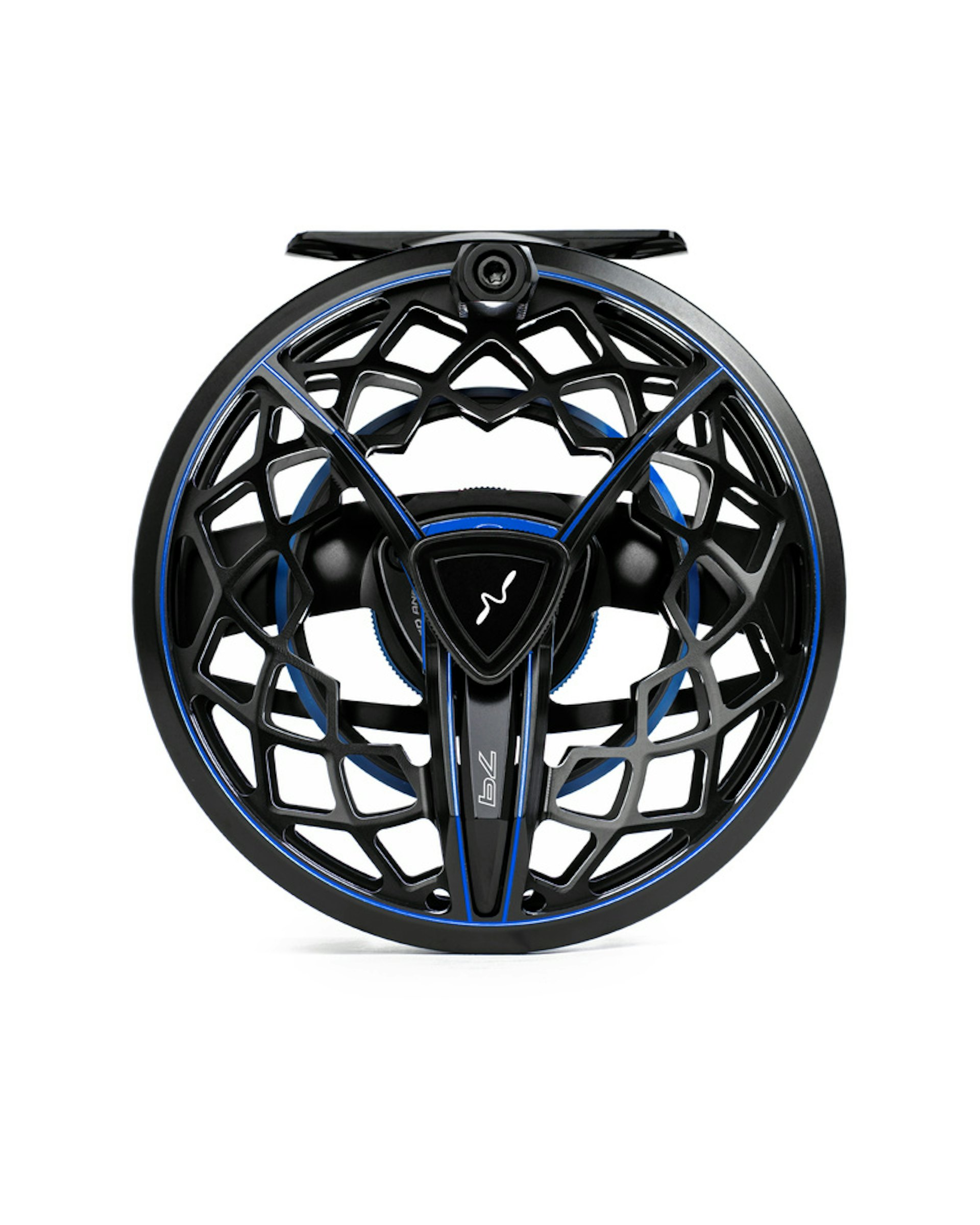
The Guideline Scandi fly reels are precision-engineered for modern migratory fly fishing, featuring high-torque titanium drag systems, deep large-arbour spools, and ultra-smooth braking performance. Designed in Scandinavia and built for power, balance, and control in every fight.
Read moreScandi - Black/Blue
625.00 USD
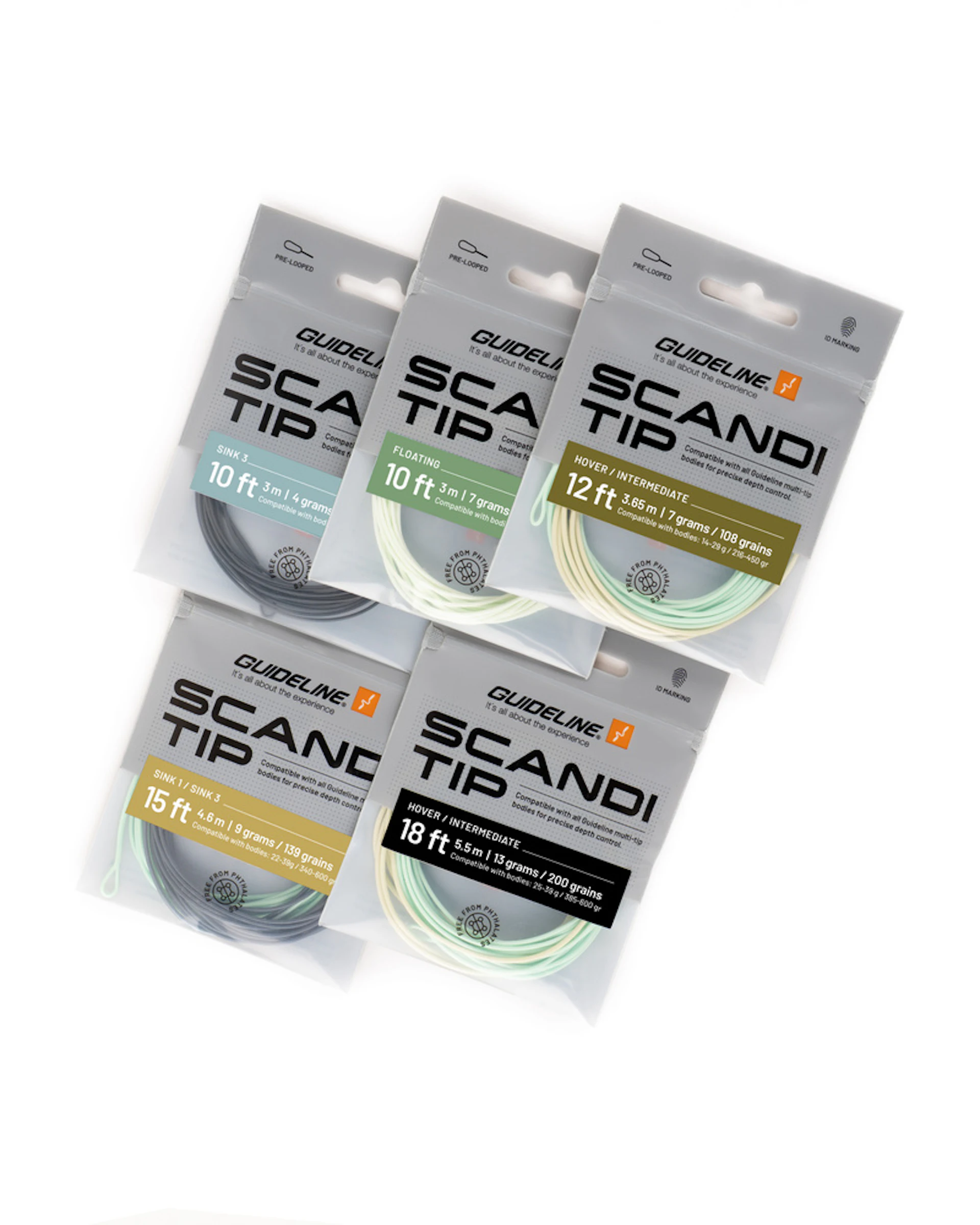
Scandi Tips
39.99 USD
The fish are all here, said our head guide Carlitos, scanning a long glassy pool from the bank of Pedro's. They just need to be convinced.
The tackle conversation began at breakfast and never really ended — which, on a Guideline trip to a water as nuanced as the Río Gallegos, is exactly how it should be. We had arrived with a carefully considered selection of NT11 double-handers covering the range of conditions this river can throw at you: the NT11 Fast Full Flex 12' 7/8, the NT11 12.3' 6/7, and the NT11 12.9' 7/8 — all matched with Scandi, Aura, and Aeon reels and with a wide range of Scandi bodies and tips. On paper, a formidable arsenal. In practice, the river had other ideas.
Within the first morning it became clear that those longer rods, while essential tools in the kit, would earn their place only in specific circumstances: the wide, open pools where long casts were required and the wind demanded authority over the line, where presentation mattered less than reach. For everything else — for the majority of the week's fishing — the river called for something quite different.
The rods that made the real difference were three: the NT11 11.6' #6/7, the ULS 11' #7, and the NT11 FFF 10' #7. All three paired with floating lines and exceptionally long leaders. In low, clear water, this combination allowed a presentation so delicate that the fly arrived almost apologetically — no heavy head turning over in the fish's window, no aggressive mend disturbing a pool that was barely moving.
For the NT11 switch and the ULS we opted for Scandi multi-tip heads, while on the single-handers we went for something more stealthy: the Single Hand Scandi WF, which allowed for careful presentation and mending when the wind was calm.
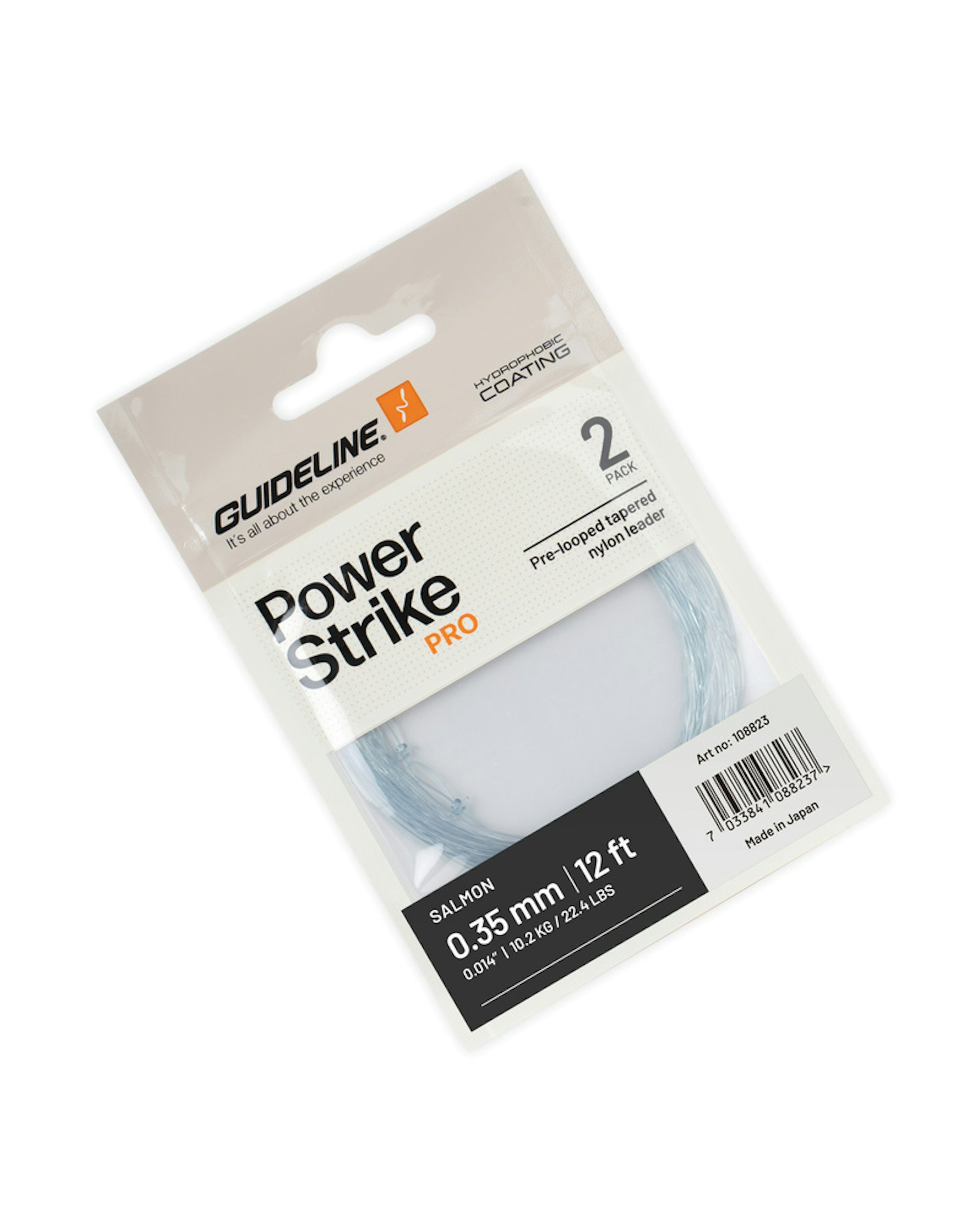
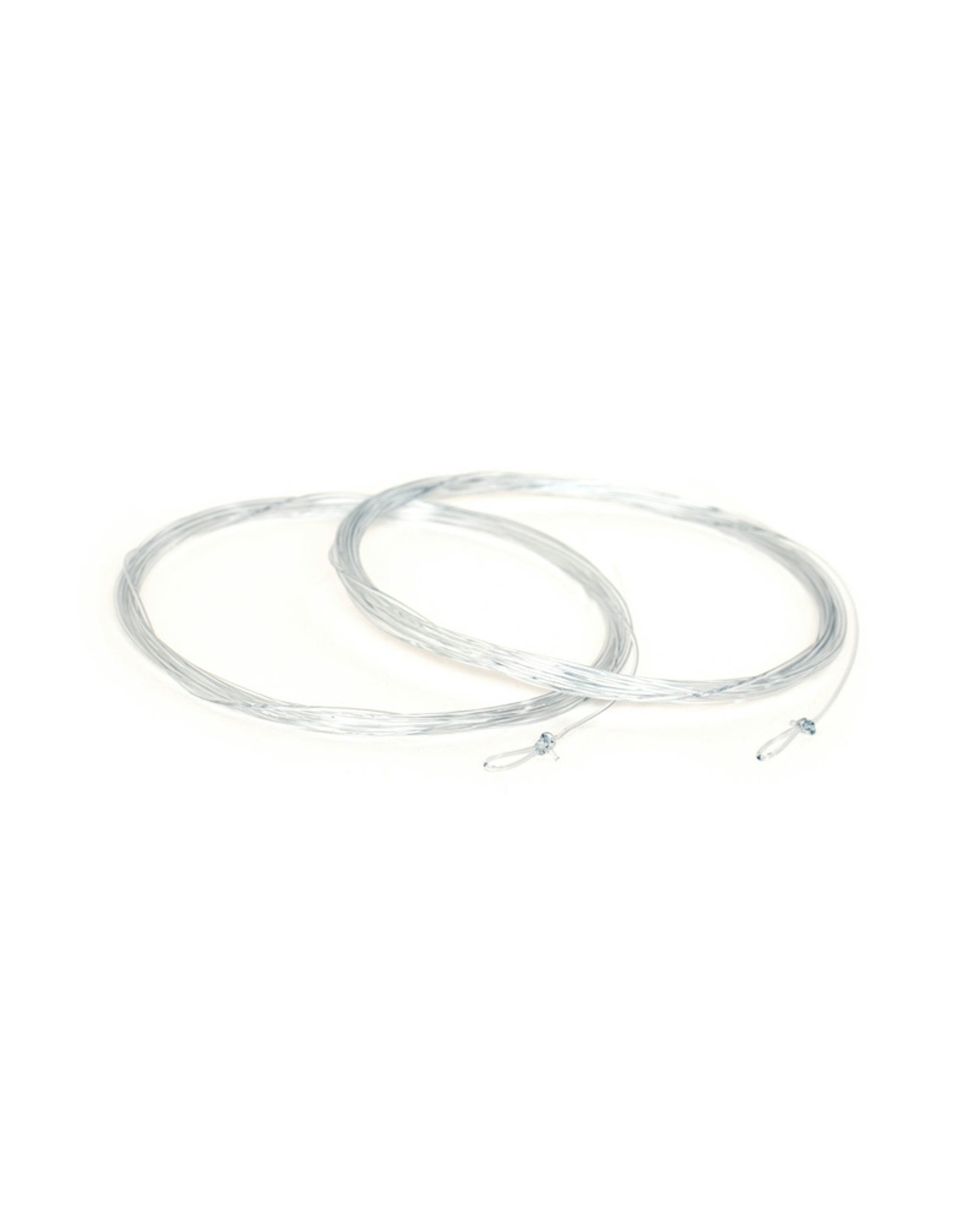
Switching to longer leaders on floating lines is a discipline that demands honesty from the caster. There is nowhere to hide poor technique. And in these conditions, presentation meant everything. The new Power Strike Pro Salmon and Sea Trout eased the duty. Most of the time, we lengthen them with 0X or 1X Egor fluorocarbon tipper to reach the desired length, smooth the presentation and get the added benefit of fluorocarbon. Guy, Bella Sofia's manager, never stopped insisting on a 4—degree presentation: let the fly enter the fish's window first. Hide the line. Fish slow.
Once that adjustment was made, the difference was immediate. Fish that had sat unmoved through a series of conventional presentations began to respond. Not every time, and not easily — but they responded. A long-tailed, sparse Sun Ray Shadow turned over on a fifteen-foot leader and allowed to swing through the tail of a pool without intervention is a profoundly different proposition — and the fish knew the difference. They always do.
The fly selection told its own story. In water this clear and unhurried, bulk and flash were liabilities. What worked — consistently, and sometimes when nothing else would — were Guideline's new micro tube and micro cone patterns: small, sparse, and precise. The Collie Dog and Sun Ray Shadow variants proved particularly lethal. Fished on a long floating leader with no intervention, those slim profiles moved through the current with a life that heavier patterns simply could not replicate. In low water, the fish are not looking for something to chase. They are looking for a reason to commit — and in those micro patterns, tied with just enough weight to hold a plane in slow current, we found the most persuasive argument of the week.
There is a principle at Bella Sofia that the fishing pressure they do not apply today is the fishing they protect for tomorrow. It is not a marketing statement — it is the operational logic of a lodge that has chosen, deliberately and at real economic cost, to fish less water with fewer rods than it could.
Six rods across seventy kilometres. In a low-water year, when fish are compressed into a fraction of their usual habitat and every pool carries more fish per square meter than normal, this restraint becomes transformative. Pools that at another operation might receive multiple groups of anglers across a single day were fished once a day, then left entirely. The fish we encountered had rested for at least eight hours since last seeing a fly. Some pools had been untouched for days.
That is not a small thing. A fish that has been covered repeatedly by a succession of presentations in a single morning is a fundamentally different target to one that has not. Its wariness is educated rather than instinctive — and educated wariness in a large sea-run brown trout is extraordinarily difficult to overcome, regardless of tackle quality.
Bella Sofia's rotational discipline meant that our Guideline team was consistently meeting fish on the most favorable possible terms: fish that were alert because of their nature and the conditions, not because they had already seen everything we had to offer. It is, perhaps, the most honest expression of what sound fly fishing management is supposed to be. Both Bella Sofia and Guideline understand that the fish is the point. Everything else — the tackle, the lodge, the guiding, the photography — exists in service of that.
There is a kind of fishing trip that goes exactly as planned, and another kind that teaches you something. The Río Gallegos in a low-water season belongs firmly to the second category — and both Bella Sofia and Guideline are built for exactly that. That puzzle, rather than frustrating us, drew us deeper into the fishing. When a large sea-run brown finally opens its mouth for a fly you have presented carefully, the satisfaction is of a different order entirely to any fish taken easily.
The adaptations we made to our setup made all the difference: choosing the gear that fits the water rather than the rod that fits the expectation; building the leader that serves the presentation rather than the ego; fishing the fly that the fish will accept rather than the one that photographs well. Guideline's rod and line range has the breadth and sensitivity to make those adjustments meaningful. Without that variety in the tackle, the refinements in approach would have counted for less.
And underpinning everything was the knowledge that Bella Sofia had done its part. That the water we were fishing was as close to its wild state as managed access can preserve it. That the fish we were approaching had not been wearied by a procession of anglers before us. The combination of world-class tackle and world-class stewardship is not incidental — it is the entire proposition. Six rods, seventy kilometers, and a shared understanding of what this fishery deserves.
The Río Gallegos gives back exactly what you are willing to put into it — no more, and never less.