Kellankoski | Streamer fishing heaven

Published2021/11/16
Words byAlvaro G. Santillan
PhotographyAlvaro G Santillan
In the Finnish rapids of Kellankoski, I found a surprisingly familiar way of fishing streamers. Sane and Jani’s emphasis on observation, patience and precise presentations reminded me of my home waters in Spain. Unusually low water led us to explore deep dead drifts and floating surfboards, both with the Streamer Pro WF floating line. Watching a trout leap clear of the water to attack a drifting fly was, for me, reason enough to make the journey.
What drew me most to the way Sane and Jani fished was how familiar it felt. Much of my experience comes from targeting trophy trout on dry flies and sight fishing in my home waters in Spain. It is fishing that can involve a long time spent watching, choosing a position and waiting for the opportunity to present the fly exactly as you want. Recognizing that same intention in their approach to streamer fishing made me feel comfortable almost from the start.
Both guides shared an exceptionally precise approach. They picked out small pools and pockets among the large boulders, studied the best position from which to cover them and asked us to be patient. A few well-executed casts, close attention to the fish's response, then time to let the water rest.
I found that approach deeply appealing. Every presentation had a purpose, and every decision influenced what happened next: the angler's position, the casting angle, the fly's path and the moment to bring it to life.
At Kellankoski, I found a thoroughly tactical approach to streamer fishing. Observation, accuracy and patience gave meaning to what we were doing. For someone with my way of approaching trout fishing, it was familiar ground, even though the landscape in front of me was entirely new.
Kellankoski in a Low Water Spring
To understand Kellankoski, you need to look beyond the rapid in front of you. The landscape is part of an enormous network of lakes linked by relatively short stretches of river. Brown trout use these different waters to feed, grow and reproduce, and as anglers we focus much of our attention on the places that connect them.
During spring and early summer, the movements of small baitfish become particularly important. Shoals move into the rapids, and the trout follow those concentrations of food. That relationship between the lakes, the currents and their fish explains why streamers play such a central role in the fishing here.
We arrived in May with that picture in mind, but found unusual conditions.
The winter had been cold, with little precipitation. There had been little snow and little snowmelt, leaving the lakes very low. The rapids reflected those lake levels directly, and we found ourselves fishing water more typical of August than the spring conditions we had expected.
We had come prepared for a wide range of situations, with LPX Streamer rods in #7 and #8 and Streamer Pro WF lines ranging from floating to S7. Those conditions changed our approach, however. Throughout the visit, we used only floating lines, concentrating on two techniques: deep dead drifts with heavily weighted streamers, and surfboard fishing on the surface.
We also found fewer baitfish than we had expected. Our impression was that the main influx of shoals we had hoped to encounter might not yet have begun. Even so, the trout were active. Most of our fish measured between 45 and 60 centimeters and, judging by their appearance, seemed to be river residents.
LPX Streamer and Streamer PRO WF
When choosing a streamer outfit, I usually start with two considerations: the size of the fish I expect to encounter, and the size, bulk and weight of the flies I will be casting. Next comes the depth I want to fish and how I intend to present the fly there.
At Kellankoski, line choice was especially important. The floating Streamer Pro WF had to handle two very different tasks: presenting heavily weighted streamers on long leaders and controlling their drift at depth, or casting bulky foam flies and managing them on the surface.
Its taper allowed us to move those flies easily and turn them over effectively. With surfboards, which create considerable air resistance, it was particularly useful to be able to lift the line and present the fly again without a series of false casts. Often, a pick-up-and-shoot cast was all we needed.
For me, that ease of use is an essential part of a balanced outfit. The fly needs to be in the water. Putting it to work in the right place with only a few movements matters as much as being able to reach a particular distance.
The floating line also gave us a visible reference for controlling the drift. Its neon-yellow colour proved particularly useful as the light began to fail: I could follow the line, read its path and decide when to mend. During those evening sessions, that visibility helped me maintain accurate presentations.
The LPX Streamer rods completed the outfit with a combination of power and lightness that I appreciated when casting. The 9' #7 and 9' #8 were the models we used during the trip, and I found them relatively fast in action, with plenty of backbone for controlling fish and the ability to handle the flies we were fishing.
What surprised me most was how light they felt in motion. Their low swing weight was welcome as the hours and casts accumulated. They also responded particularly well to pick-up-and-shoot casts, where changes of direction and rapid acceleration demand a precise response from the blank.
With that outfit, we could move from a deep presentation to a surface one by changing the fly, the leader and the way we managed the drift.
Dead Drifting and Jigging in the Quiet Hours
During the middle of the day or the early afternoon, when we expected less activity, we focused much of our attention on pockets and small, deep pools among the large boulders. These are places where the combination of depth and fast currents can make it difficult to get a streamer down to the right level and keep it there long enough, specially when trout are not on hunting mood.
In those situations, a dead drift with a heavily weighted streamer proved particularly effective. It allowed us to reach a specific spot, control the speed of the presentation and begin working the streamer where we thought a trout might be holding.
Everything began with choosing the right drift line.
Before casting, I wanted to identify the lane of current that could carry the fly into that lie. My position and the point where the streamer landed needed to make that route possible. I also had to judge how far upstream to cast so the fly had enough time to sink before reaching the place where I wanted to work it.
We used the floating Streamer Pro WF with very heavily weighted streamers, such a tungsten sculpin patterns. My leader was around fifteen feet long. That combination allowed me to control the presentation from the surface while the fly sank quickly below.
The crucial phase began immediately after the upstream cast. Through mending and line management, I tried to stop the currents acting on the fly line from speeding up the drift or bringing everything under tension too soon. Introducing the necessary slack and slowing that initial phase gave the streamer time to sink along the chosen path.
Depth depended on the entire sequence: where the fly had landed, which current was carrying it and how I managed its progress. The streamer's weight did part of the work; controlling the drift did the rest.
When I judged that the fly had reached the area where a fish might be holding, I began to animate it. That might mean strips, movements of the line or, at close range, working the fly with the rod itself.
Timing was the key. We wanted the streamer to come alive as it passed within reach of the trout, right in its holding lie. A well-placed movement could trigger a response from a fish that had seemed unwilling to chase a prey item.
The presentation brought together several phases: an initial drift resembling upstream nymphing, a jigging phase through the target area and, where the fly's path allowed it, a final swing.
Later, as the light began to fade, the surface took on a different significance.
The tackle we recommend for Kellankosi


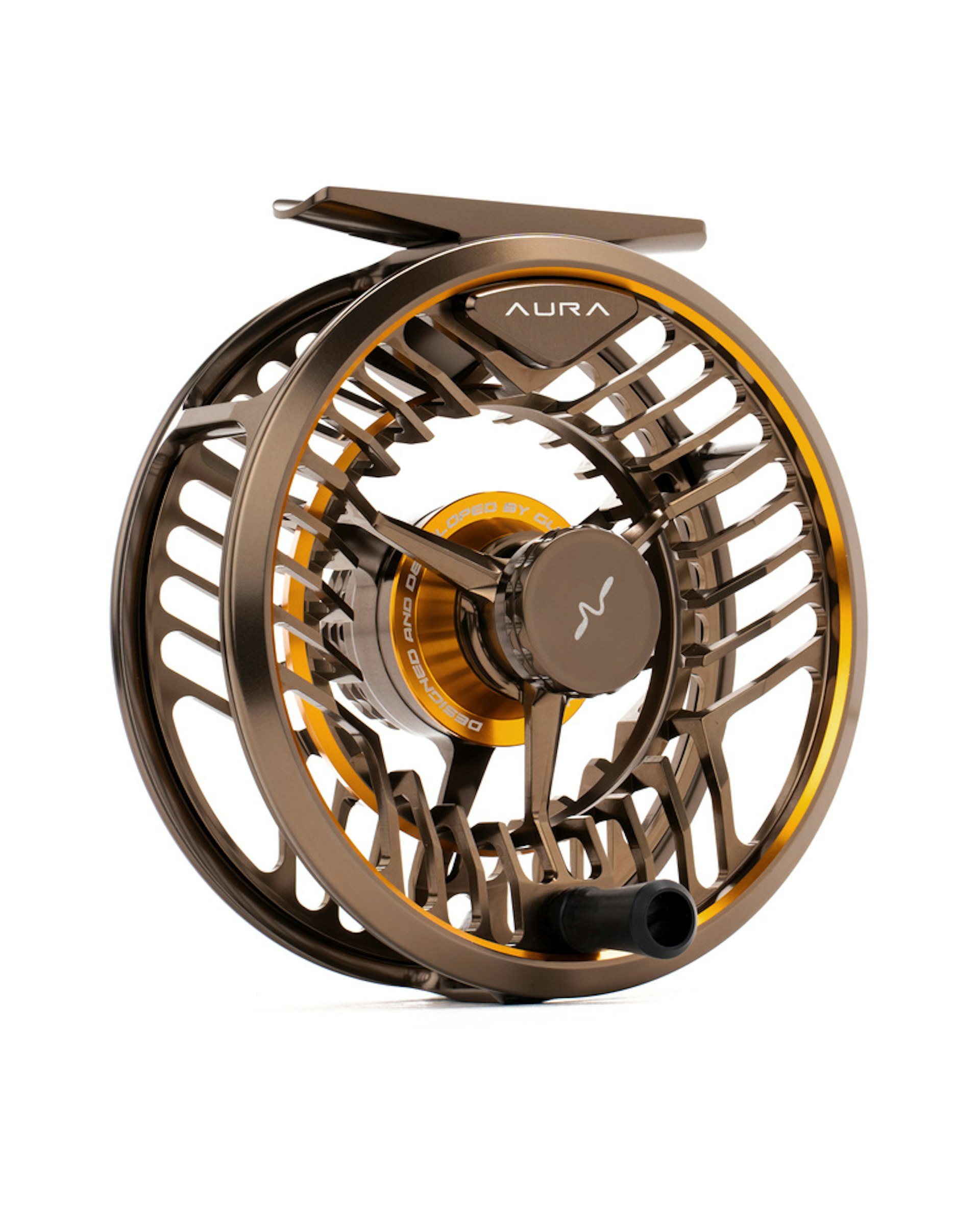

Guideline Aura fly reels elevate performance into beauty — light, strong, and elegant in every detail. The lightweight construction complements modern fly rods, and the fully sealed carbon-fibre drag system delivers smooth, consistent resistance in both fresh and salt water. With seven models and three colors in the range each size is carefully matched to its purpose, from light trout to heavy salmon setups.
Read moreAURA Bronze
380.00 USD
Surfboard Fishing and the First Take
As evening approached, my attention returned to the surface. The wind eased, bringing that moment of anticipation I enjoy so much: choosing where to stand, looking over the currents once more and imagining the path of the first few casts. We knew the trout might become more active, and the surfboard offered a very particular way of watching that happen.
This is one of the most distinctive forms of fishing associated with the Finnish rapids. We use a floating foam streamer that suggests a small dead or vulnerable baitfish carried by the current. We cast it upstream and allow it to come back downstream on a near-dead drift, following the drift we have chosen.
The first time you see a trout leave the water to attack that fly, the scene stays with you. Until then, you have been following a drift, thinking about a mend, waiting for the streamer to pass through the right spot. Suddenly, the fish breaks the surface and may leap completely clear of the water in its attempt to catch it. All that waiting ends in an attack of an intensity that is hard to anticipate, even when you know it might happen.
For me, experiencing that moment alone makes the journey worthwhile.
There is a particular beauty in watching a trout's predatory behaviour so directly. The fly floats, travels with the current and seems to offer an easy meal. The fish responds with a commitment and force that completely transform what you were watching. For a few seconds, you are seeing a predator hunt.
My experience with dry flies and sight fishing has taught me to enjoy everything that happens before the take. I like to watch how a fish positions itself, interpret a reaction and follow the fly until their paths meet. With the surfboard, I recognised that same fascination, accompanied by the possibility of an attack that would make the water explode.
That is why so much of the appeal also lies in preparing the presentation.
Sane and Jani chose the pocket carefully, along with the position from which we should cover it. The upstream cast needed to set up a drift that would pass naturally through the chosen area. We had to anticipate which current would take the fly and make the necessary adjustments without disturbing its progress.
We made only a few casts before resting the water. That precision and patience sharpened my attention on every presentation. I followed the fly knowing that a response could come at any point as it travelled through the pocket.
The bulk of the foam calls for an outfit that can handle a wind-resistant fly. The floating Streamer Pro allowed us to make many presentations with a pick-up-and-shoot cast, lifting the line and putting the streamer back in position with very few movements. As the light continued to fade, its neon yellow helped me keep reading the drift.
I remember that combination particularly clearly: the line still visible, the fly travelling across the surface and the wait for something to happen. A hooked fish, when it came, completed an experience that had begun long before the take.
Some attacks ended in a leap or a splash beside the surfboard. Those responses deserved attention too: they showed us where the fish were and how they were reacting to the presentation.
One evening, it was precisely those missed attacks that prompted Sane to suggest a change.
The Response We Were Waiting For
We had watched a couple of trout attack the surfboard without taking it properly. The water broke beside the fly, but there was no connection. They seemed to be batting at it without committing to the take.
Sane had been watching those reactions closely. His attention to what the fish were doing led him to suggest a different fly and presentation. He recommended one of his own patterns: long, slim and completely unweighted.
The approach reminded me of fishing a Sunray Shadow for salmon. I kept the floating line, cast at ninety degrees to the current and began stripping very fast.
When the fly reached the spot where the trout had attacked the surfboard, the water exploded.
This time, I connected. A lovely fight followed with a beautiful trout, one of those fish that remains inseparable from the memory of exactly how it was caught.
What stayed with me was the whole sequence: the missed attacks, Sane watching and interpreting them, his recommendation, and that fly crossing the same water with a different profile and at a different speed. His reading of the fish gave us a reason to change, and I trusted his judgement.
That shared decision brought me back to the approach that had made me feel comfortable from the start. The same attention I had so often given a trout in my home waters in Spain was now focused on a Finnish rapid, with a guide beside me who was equally absorbed in the fish's response.
When I think of that trout, I remember the water breaking over the fly. I also remember the waiting beforehand, the fading light and the feeling that the next cast might be the one.
Stay dry and warm, enjoy your experience at Troutland
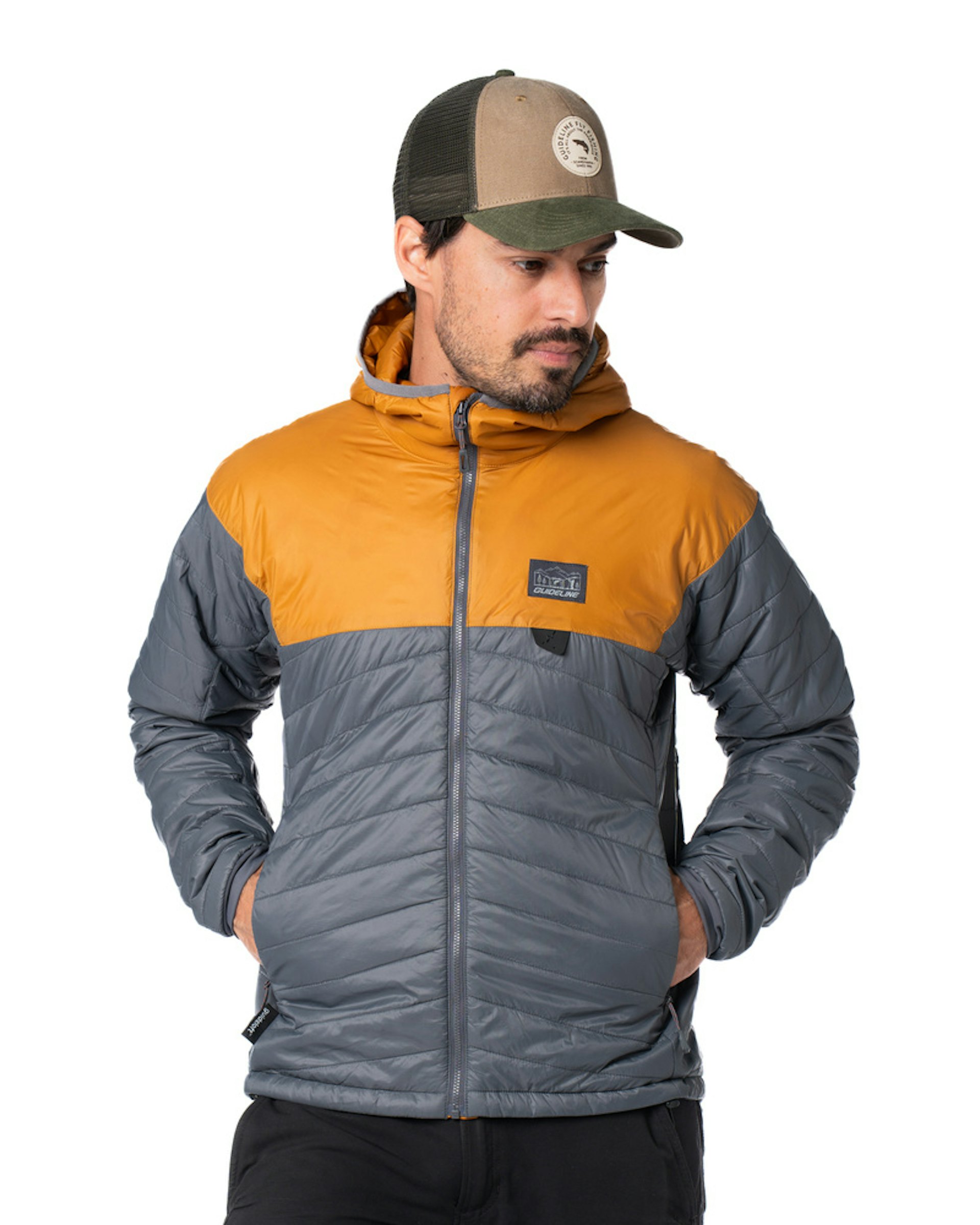
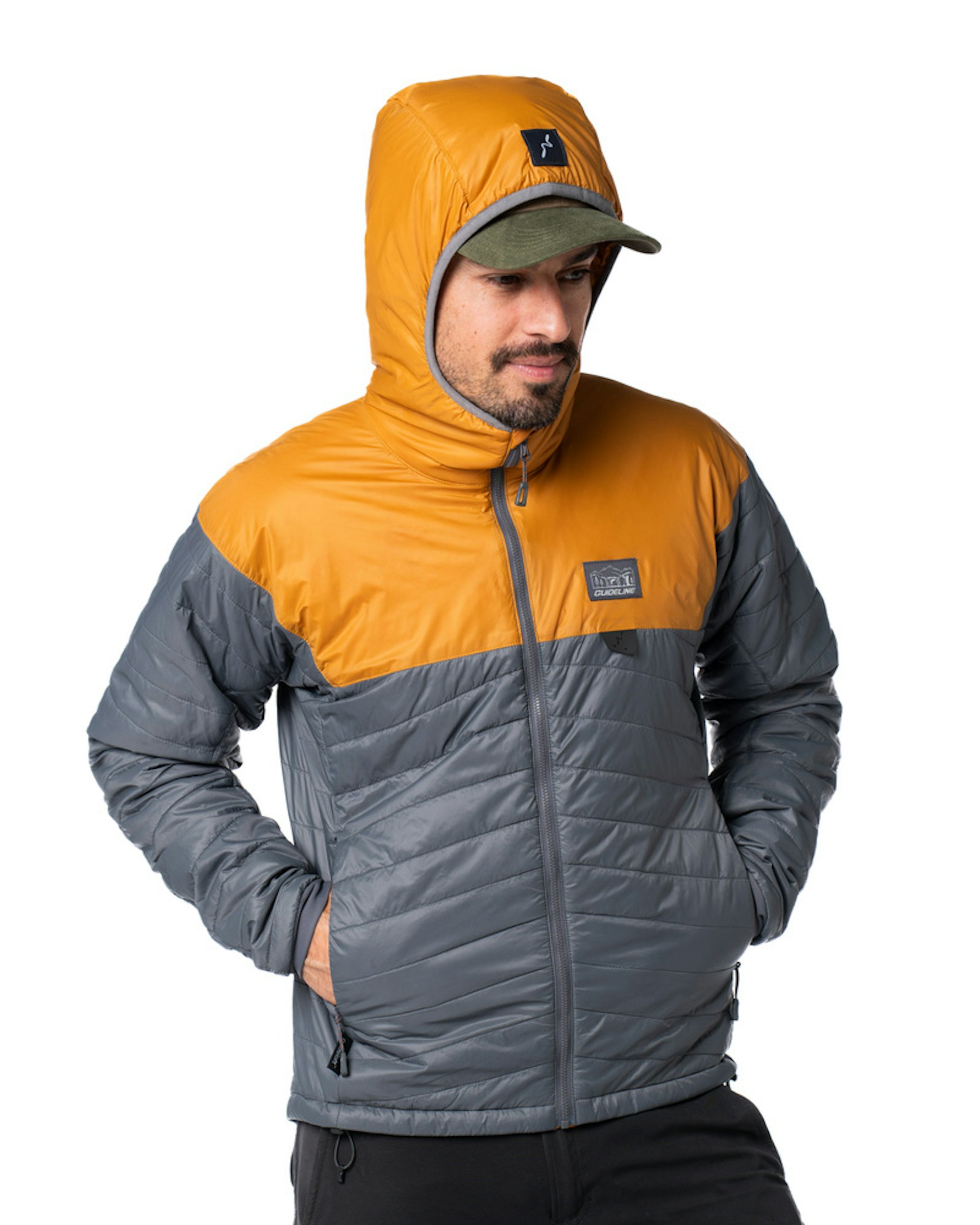
The Guideline Loft Jacket is a lightweight, wind-resistant, and packable layer for fishing and everyday wear. Made from recycled materials and insulated with Guideloft™, it provides warmth, comfort, and practical features. It packs into its own pocket for easy storage.
Our model measures 183cm/80kg (6'0"/176 lbs) and wears size M
Loft Jacket Dk Gold/Iron
270.00 USD
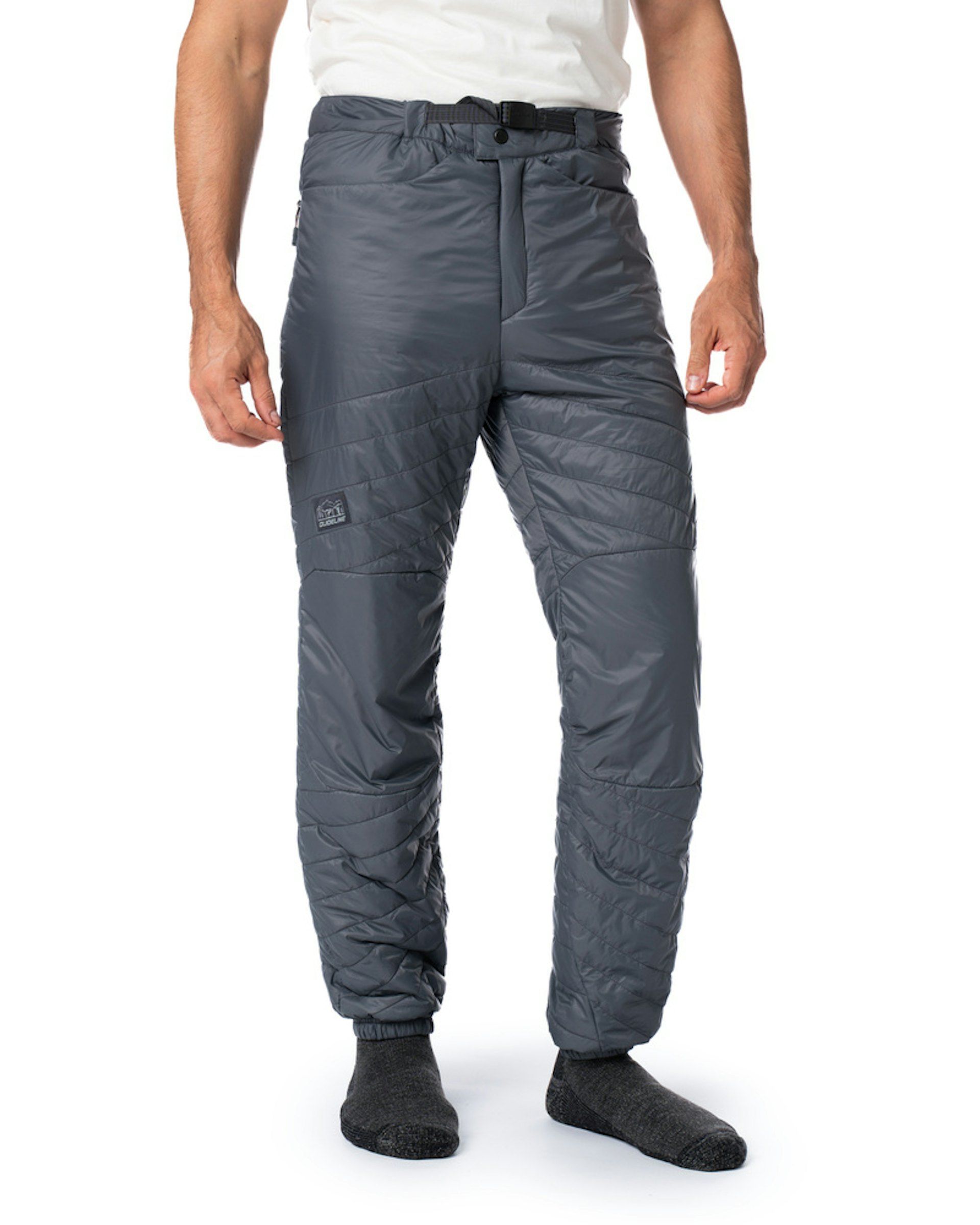
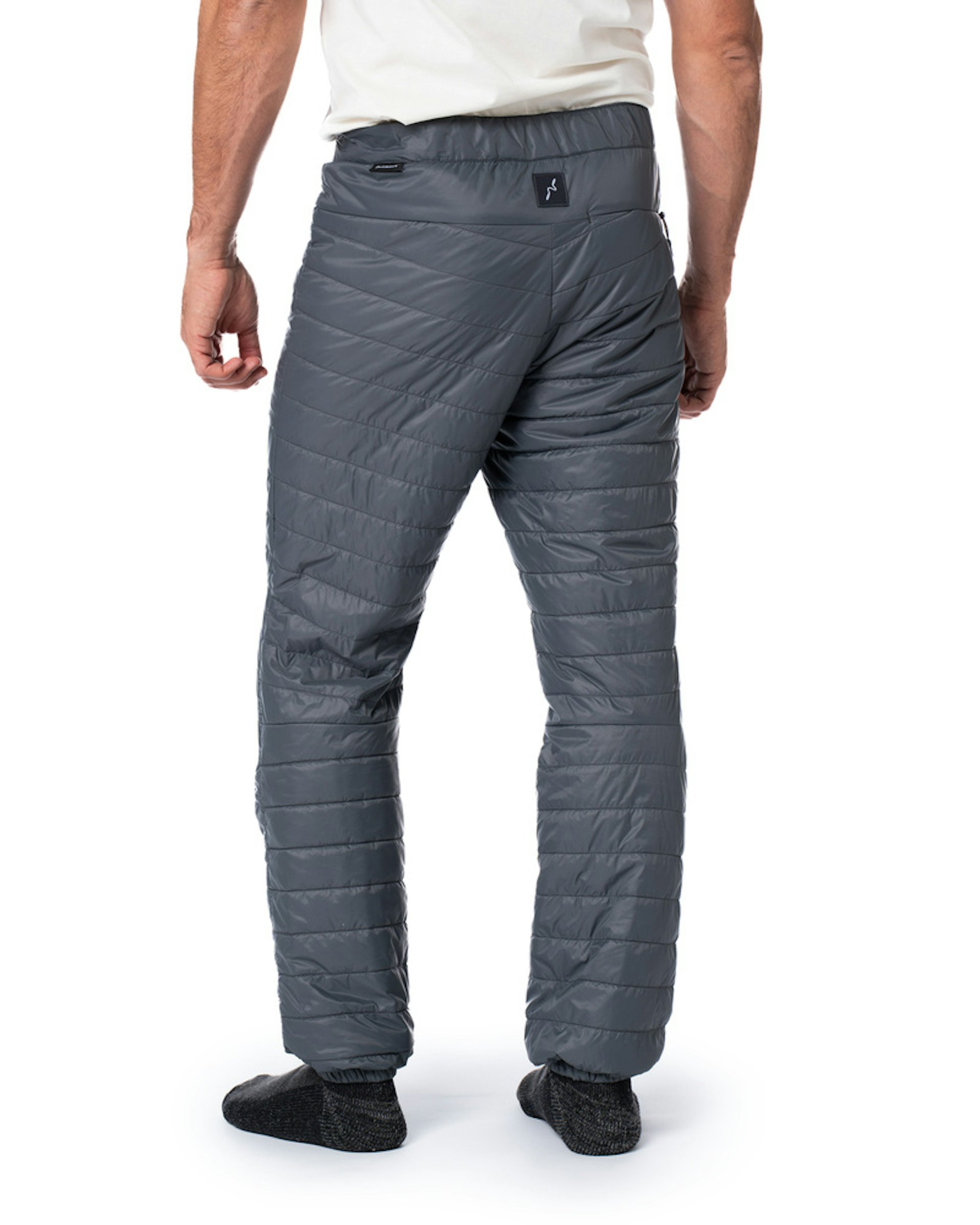
The Guideline Loft Pants are a lightweight, insulated mid-layer for fishing and camp life. Made with recycled materials and Guideloft™ 40 g fill, it offers warmth, mobility, and packability. Designed to fit under waders and packs into its own pocket.
Our model measures 183cm/80kg (6'0"/176 lbs) and wears size M
Loft Pants Iron
250.00 USD
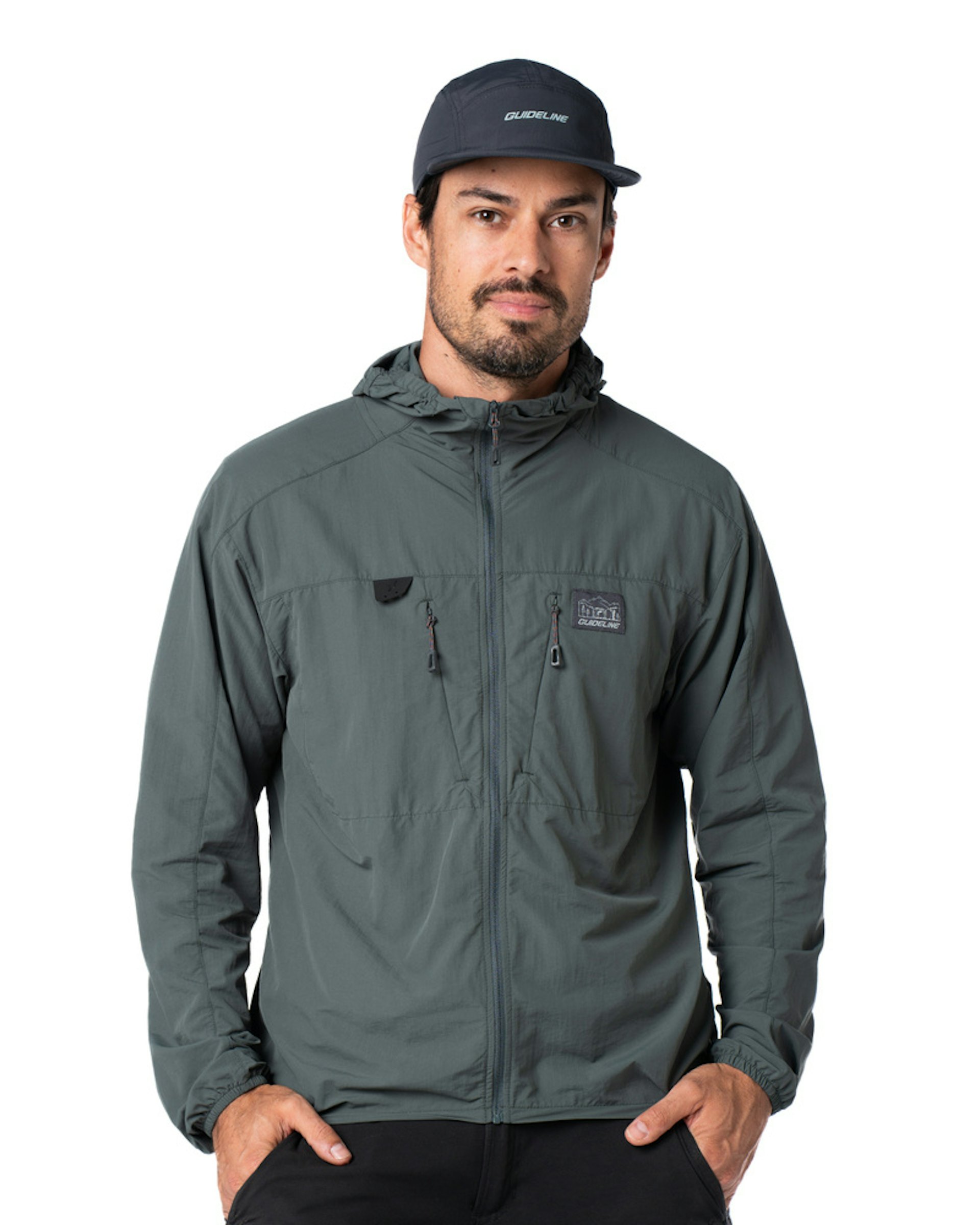
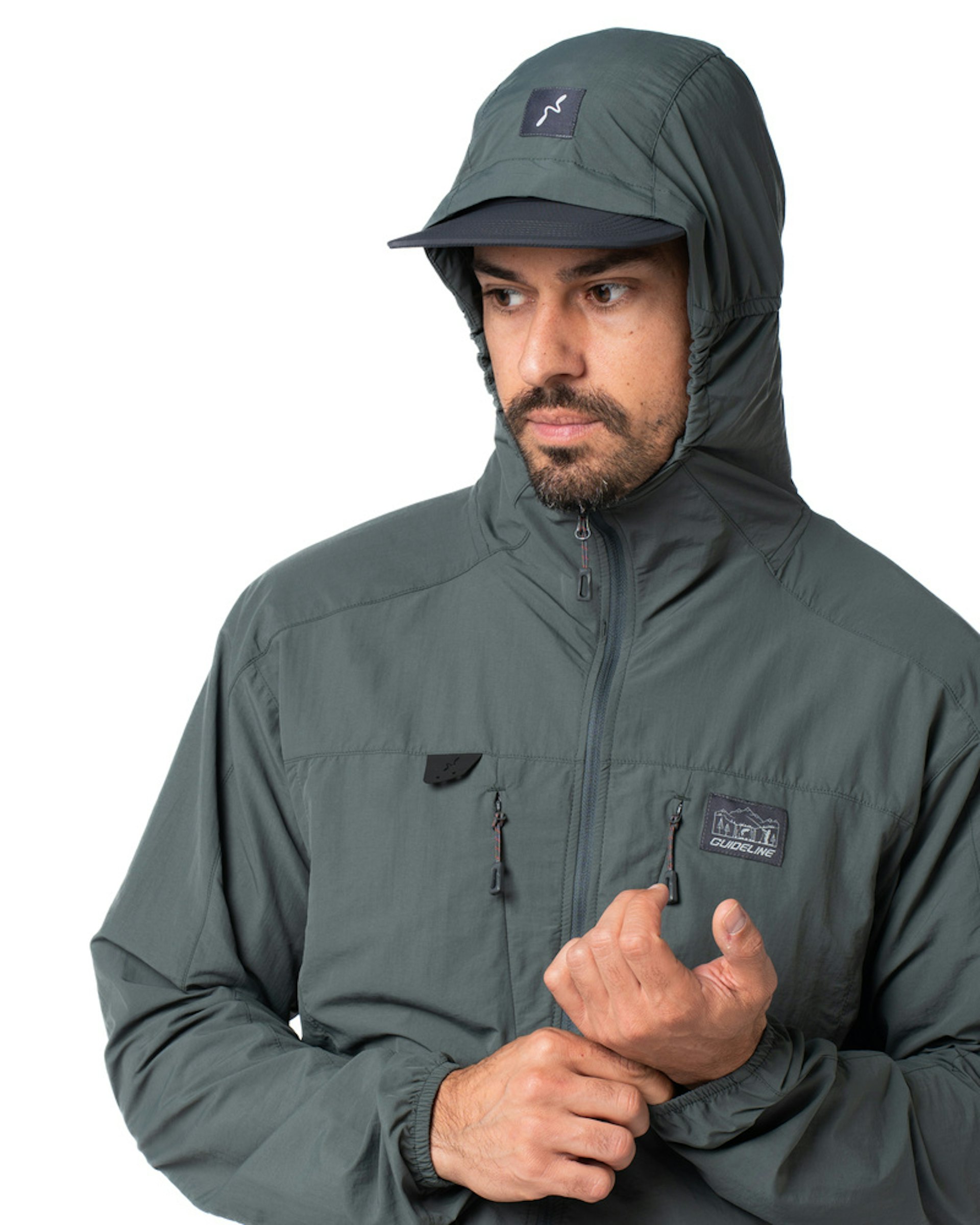
ULBC Tactical Jacket is ultralight, windproof and highly breathable for hiking and fishing. Tightly woven bluesign®‑certified nylon fabric blocks mosquitoes without chemicals, dries fast and resists abrasion. UPF 50+ sun protection and generous storage with vertical zip pockets, Hypalon docking station and neck D-ring makes it a great garment for fly anglers on the move.
Our model measures 183cm/80kg (6'0"/176 lbs) and wears size M
ULBC Tactical Jkt Algae Green
175.00 USD
KELLANKOSKI
On Lake Liesvesi, near Konnevesi, Kellankoski Lodge occupies a former schoolhouse dating from 1923. The surrounding lakes and connecting rapids support a distinctive fishery for large brown trout feeding on baitfish. For streamer anglers, there is much to explore, including presentations close to the surface when trout are actively hunting. Hosts Jani and Titta Himanko bring a personal approach to the stay.To Kellankoski Lodge