River Tay, Scotland
Taymount brings together the scale of the River Tay, varied salmon water and the knowledge of ghillies who understand its changing character throughout the season. Here, a day’s fishing revolves around reading the current, choosing the right presentation and working each pool with purpose. To FishPalTaymount
Taymount brings together the scale of the River Tay, varied salmon water and the knowledge of ghillies who understand its changing character throughout the season. Here, a day’s fishing revolves around reading the current, choosing the right presentation and working each pool with purpose.
Our connection with Taymount is through Guideline ambassadors Cornelius O’Dea and David Park. Their practical approach to salmon fishing reflects our own: understanding the water, refining tackle and helping anglers make more of their time on the river. It is a partnership with a strong connection to the fishing itself, extending from bankside advice to fly patterns developed by Cornelius and available in the Guideline range.
Situated upstream of Stanley in Perthshire, Taymount offers access to two distinct stretches of the Tay. The Upper and Lower beats each extend for approximately a mile and are fished on alternate days, under a reciprocal arrangement with neighbouring Stobhall. Fishing is limited to six rods, with two ghillies, boats and a fishing hut on each beat. This rotation introduces anglers to different water over a multi-day visit, from flowing fly runs to deeper holding pools.
The Lower Beat has a particularly distinctive character. At the Major’s Cast, the river gathers into a rocky gorge before passing through Campsie Linn into the Linn Pool below. These changes in depth, current and river structure help explain why local knowledge matters so much here. In cold spring conditions, the Linn Pool is an important holding area; as the water warms, salmon can negotiate the falls more readily and the water above becomes increasingly relevant.
Taymount is a salmon beat with riverside facilities, so accommodation should be arranged separately. It also offers more than one fishing method. If swinging a fly is the focus of your visit, discuss this when booking so that the ghillies can advise on suitable conditions and expectations. The Tay’s size is part of its appeal, but water height can significantly change how much of a pool can be covered effectively with fly tackle.
The season
The Tay salmon season runs from 15 January to 15 October, with fishing from Monday to Saturday. Atlantic salmon are the principal quarry, including summer grilse—salmon returning after a single winter at sea. The character of the fishing changes considerably across this long season.
The opening months are about spring salmon. Cold water generally calls for a deliberate approach, with sinking lines and tube flies allowing anglers to explore the deeper parts of a run. At Taymount, the Linn Pool gives this early fishing a particular focus, as cold conditions can delay fish beneath Campsie Linn. Spring fishing rewards persistence and careful presentation, with the prospect of a fresh, powerful fish rather than an expectation of frequent takes.
Through late spring and summer, warmer water broadens the opportunities for the fly. Summer salmon and grilse enter the system, while lower levels can bring previously distant lies within reach. Floating lines, interchangeable tips and smaller flies become increasingly useful.
September and the first half of October bring another change. Fish that have accumulated in the river provide a different challenge from newly arrived salmon. Conditions remain decisive: an autumn rise may call for deeper presentations, while settled water can still suit a floating line and a relatively small fly. Choose your week around the style of fishing you enjoy, rather than assuming one month will always produce the best sport.
Prefered Guideline gear for the river Tay



NT11 6-piece double handers are made with state-of-the-art graphite materials in a travel-friendly package without compromising the performance. Built to take Scandi-style fishing to the next level.
Read moreNT11 Double Hand 6-PC
1 200.00 USD

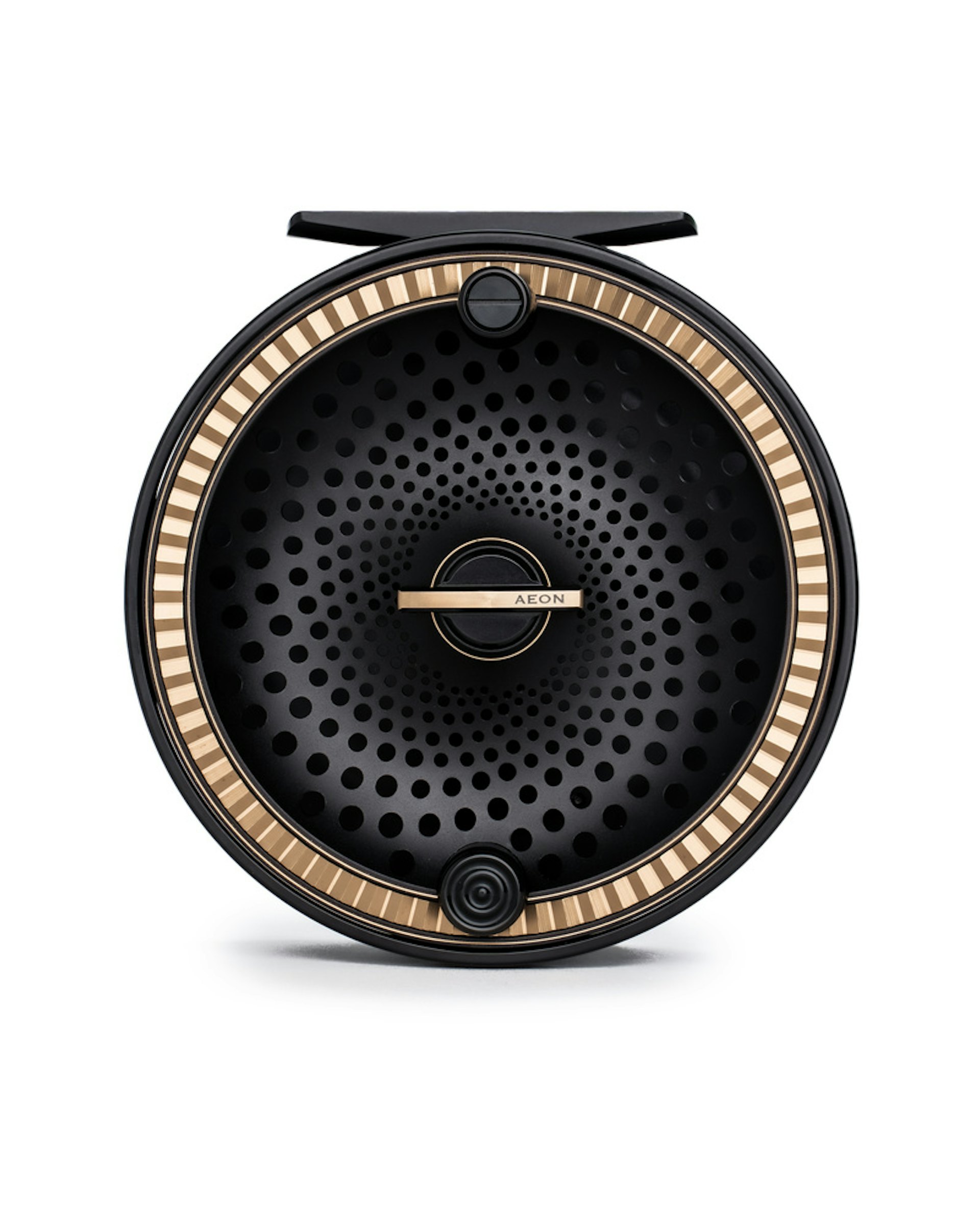
The Aeon Fly Reel combines timeless design with modern innovation and a state of the art drag system. It is a perfect fusion of beauty, durability, and performance, delivering both style and function on the water.
Read moreAeon - Black/Gold
575.00 USD

The new Classic Scandi body is definitely our most “easy to cast” multi tip shooting head so far. With a perfect mix of lengths, weights and densities you will cover any situation you might face by the river.
Read moreClassic Scandi Multi Tip Body
99.99 USD
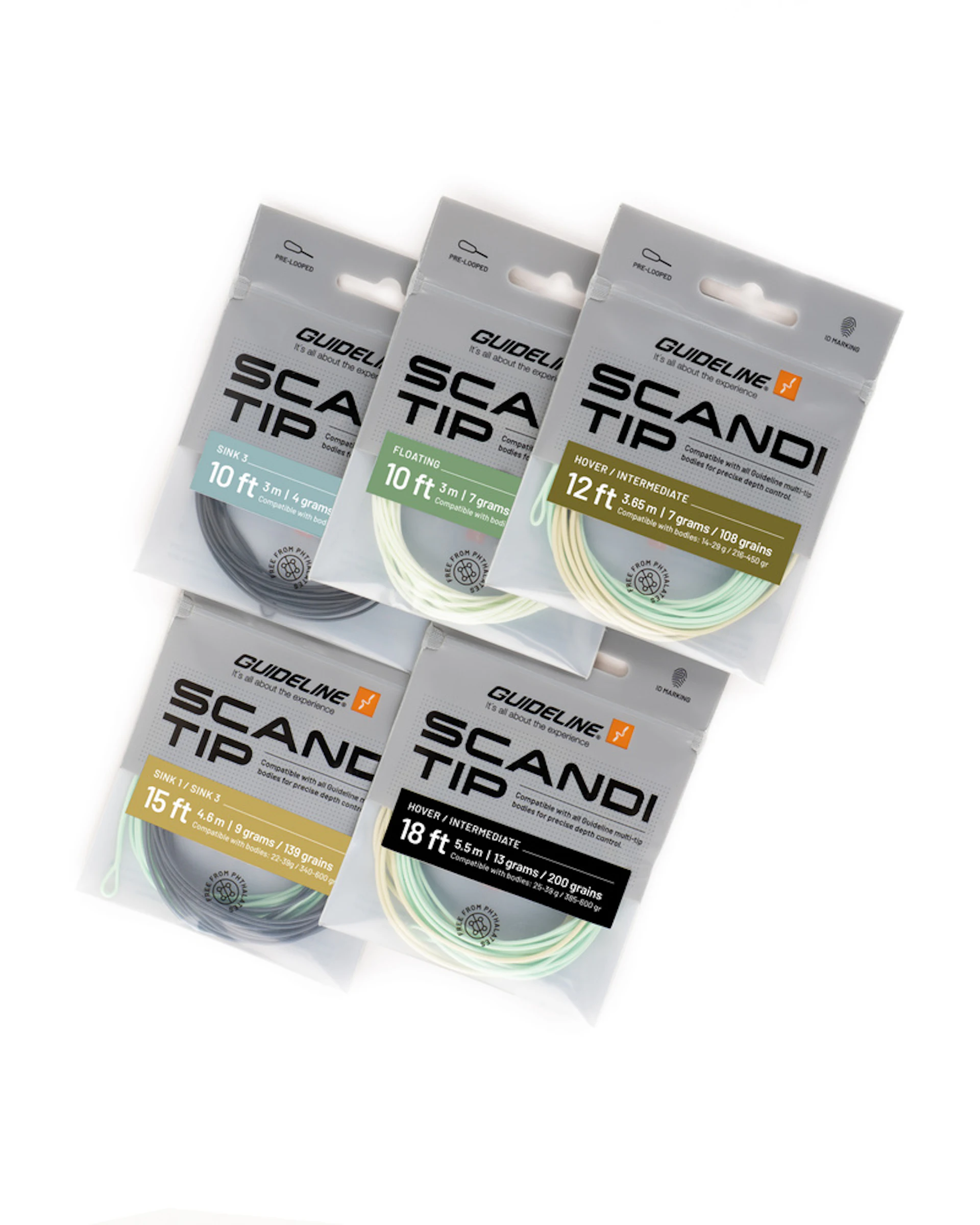
The extensive range of Guideline Scandi Tips covers everything from light single-hand rods to the big heavy double-handers, designed to perfectly match our multi-tip bodies. Multi-tip lines are the perfect choice for all types of salmon and migratory fishing as well as trout spey.
Read moreScandi Tips
39.99 USD


The Guideline Loft Vest is a lightweight, windproof and packable layer for fishing and everyday wear. Made with recycled materials and Guideloft™ insulation, it offers core warmth, smart features and freedom of movement. Packs into its own pocket.
Our model measures 183cm/80kg (6'0"/176 lbs) and wears size M
Loft Vest Ash/Iron
225.00 USD
Tackle
Rods, reels and lines
A 14–15 ft double-handed rod around a #9/10 or #10 rating is a sensible starting point. The additional reach helps with line control across broad currents, while sufficient power makes lifting sinking heads and turning over larger flies more manageable. Even in summer, the Tay remains substantial water.
Within our range, the NT11 6-piece 13’9” #8/9 is a versatile travelling option. For anglers expecting larger flies and heavier sinking systems, the 14’9” #9/110 offers additional power. Pair the rod with a dependable salmon reel, a smooth drag and ample backing.
A Classic Scandi Multi Tip system provides a practical way to adjust your presentation. Bring a floating body and a selection of tips for milder conditions, together with sinking bodies for colder or higher water. Match the combined body-and-tip weight to the rod; changing depth should preserve a balanced casting setup. Guideline’s NT11 recommendations include both floating and sinking Classic Scandi combinations for these models.
For leaders, carry strong material rather than relying on fine tippets to improve presentation. As a general Tay reference, Newtyle recommends at least 20 lb in early-season conditions and 15 lb through late spring. Adjust leader length and strength to the fly, line density and water you are fishing, with the ghillies’ advice.
Flies
Build your fly box around a few dependable patterns in different sizes and weights. This gives you more useful options than a large collection of similar flies that all fish at the same depth.
For spring, Willie Gunn, Posh Tosh and Cascade variants provide a strong foundation. Black and yellow, combinations of black, orange and yellow, and mobile shrimp-style dressings all feature in established Tay selections. Cohn’s Spring Willie Gunn, designed by Cornelius at Taymount, adds a particularly relevant local connection. Carry tubes for deeper presentations alongside lighter dressings for lower water.
As the river settles, smaller Cascades and Francis patterns become useful additions. A selection around sizes 10–14, supplemented by slim Sunray Shadows, covers contrasting profiles for summer fishing. For autumn, retain those smaller options but add larger shrimp patterns and tubes incorporating red and orange. These are suggestions drawn from wider Tay practice; the final choice should reflect the conditions on Taymount that day.
Cornelius’s Guideline B2B is an especially interesting option for low, clear water. Designed to fish on a floating line with a long tapered leader, this compact tube can be worked with short strips during the swing. It offers a different presentation when a small fly with added movement is appropriate, and makes a direct connection between Taymount’s bankside knowledge and our fly range.
Our recommendation is to think about depth, angle and speed together. A heavier fly alone will not necessarily produce a deeper, more controlled swing. Casting angle, the initial mend and the density of the line all influence how the fly travels through a lie. Start with the ghillie’s suggested approach, then make purposeful adjustments rather than changing patterns after every unproductive cast.
Flies for salmon fishing in Scotland
VIDEO
Cornelius O'Dea signature collection by Guideline represents a blend of traditional fly-tying techniques and modern innovation, making it a valuable addition to any fly fisher's arsenal. The collection features a diverse range of patterns, each tailored for specific conditions and salmon behaviors, earning a reputation for their success.Watch the video