Brown Trout and Grayling in Norway
Rena FishCamp sits beside one of Norway’s most celebrated trout and grayling rivers. With accommodation, guided fishing, boat rentals and a well-stocked fly shop, it provides a practical base for exploring a fishery known for large fish and abundant aquatic insect life. To Rena FishCampRena Fishcamp
Brown trout, grayling and hatch-driven fishing in Norway
Rena FishCamp sits beside one of Norway’s most celebrated trout and grayling rivers. With accommodation, guided fishing, boat rentals and a well-stocked fly shop, it provides a practical base for exploring a fishery known for large fish and abundant aquatic insect life.
The connection with Guideline is firmly grounded in fishing. The camp stocks our tackle and offers Guideline rods for rental and demonstration, allowing visiting anglers to explore different outfits on the river itself. That combination of equipment, local knowledge and time on the water reflects our approach to helping anglers get more from their fishing.
Rena’s appeal lies in the variety of its fishing. An evening spent following a feeding trout along the bank, a careful drift over rising grayling or a day exploring deeper water with streamers each reveals a different side of the river. Choosing when to visit—and how to approach the water—helps shape the experience.
About Rena FishCamp
The camp is run by John and Silje Bond. John brought experience from guiding in Montana to the Rena, with a particular interest in drift-boat fishing and large trout. The guiding programme includes both float trips and walk-and-wade fishing, with outings tailored to the anglers’ interests and experience. Published guided-trip arrangements include tackle and lunch, while guests are welcome to bring their own equipment.
The principal fishing takes place on Søndre Rena, the approximately 30-kilometre river section between Storsjøen and its confluence with the Glomma. Long, relatively slow-flowing stretches and a rich insect population create excellent feeding habitat for brown trout, grayling and whitefish. A dedicated fly-fishing zone occupies roughly five kilometres of the upper river.
For visiting anglers, Rena rewards observation. Rising fish often provide the clearest indication of what is happening beneath the surface, and a seemingly quiet stretch can change considerably when insects begin emerging. Spend time watching the rise forms, the current seams and the food drifting past before deciding where to cast.
Bankside vegetation also shapes the fishing. Trout may hold close beneath overhanging cover, making controlled roll casts and single-handed Spey casts particularly useful. The river’s width can be misleading: some of its most interesting lies are close to the bank.
Boat access adds another perspective, allowing anglers to explore different stretches and presentation angles. Rena FishCamp offers rafts, drift boats and shuttle arrangements, alongside guided options. Boat fishing is prohibited within the designated fly-fishing zone, so plan the route with the camp before launching.
The camp also supports independent fishing trips. Its fly shop is a useful first stop for recent hatch information, suitable patterns and advice on current conditions. Confirm accommodation arrangements, guiding and any rentals together when booking, particularly if you intend to divide the stay between guided and independent days.
The season
Rena offers a long fishing season, but the character of the river changes substantially between its spring opening, the main summer hatches and autumn grayling fishing. The camp publishes guided-trip periods from May into mid-October, with its main summer period running from mid-June to mid-August.
May and early June: searching beneath the surface
Early-season fishing can be demanding. Cold water and limited surface activity often make streamers and carefully presented nymphs more relevant than dry flies. Recent opening reports describe anglers working through different depths and finding that clear water still demands a cautious approach, even when fishing larger patterns.
A streamer outfit provides a way to search holding water, but depth and retrieve should be adjusted deliberately. Covering the river efficiently matters more than repeatedly fishing the same presentation. For anglers travelling primarily for rising fish, the more established summer hatches are generally the better focus.
June and July: mayflies and changing feeding windows
As the summer hatches develop, dry-fly fishing becomes a central attraction. Rena supports a broad range of aquatic insects, including mayflies, stoneflies, midges and caddis. The variety means that identifying what fish are taking can be as important as locating the fish themselves.
During the summer mayfly period, large Ephemera danica can appear alongside much smaller olives and other species. Spinner falls may extend feeding into the evening, creating opportunities that differ from the earlier emergence.
Carry imitations of several stages rather than relying entirely on upright-winged duns. Watch whether fish are intercepting insects beneath the film, taking emerging flies or feeding on spent spinners. A change of profile and presentation can be more useful than moving immediately to a finer tippet.
July and August: caddis and evening fishing
Caddis activity gives Rena another distinctive phase. Swimming pupae can bring trout close to the margins, with fish feeding actively into the evening and darkness. These opportunities favour anglers who are prepared to adjust their schedule and spend time watching the river before fishing.
The presentation may also change. A natural drift remains important in many situations, while swimming pupae can call for controlled movement. Match that movement to what the insects and fish are doing, with guidance from someone familiar with the hatch.
Hatches can be highly localised, so a quiet stretch does not necessarily reflect conditions throughout the river. The camp’s current advice can help narrow the search. Rena’s summer caddis fishing.
Late summer and autumn: smaller flies and grayling
Dry-fly opportunities continue beyond the main summer period. Small cream and olive mayflies, including patterns around sizes 16–18, can be important during August and September. Grayling become a particularly appealing focus as the season progresses.
Autumn plans must take account of species-specific protection. The river association publishes a trout protection period beginning in mid-September; later fishing should be planned around permitted species and methods.
Prefered Guideline gear for Rena FishCamp





Guideline NT11 Trout fly rods utilize advanced T1100 aerospace graphite for a premium experience. This featherlight blank delivers a smooth, progressive medium-fast action that elevates your casting with effortless delicacy and precise tracking control at both short and long distances.
Read moreNT11 Trout Series
750.00 USD


Guideline Aura fly reels elevate performance into beauty — light, strong, and elegant in every detail. The lightweight construction complements modern fly rods, and the fully sealed carbon-fibre drag system delivers smooth, consistent resistance in both fresh and salt water. With seven models and three colors in the range each size is carefully matched to its purpose, from light trout to heavy salmon setups.
Read moreAURA Titan
360.00 USD
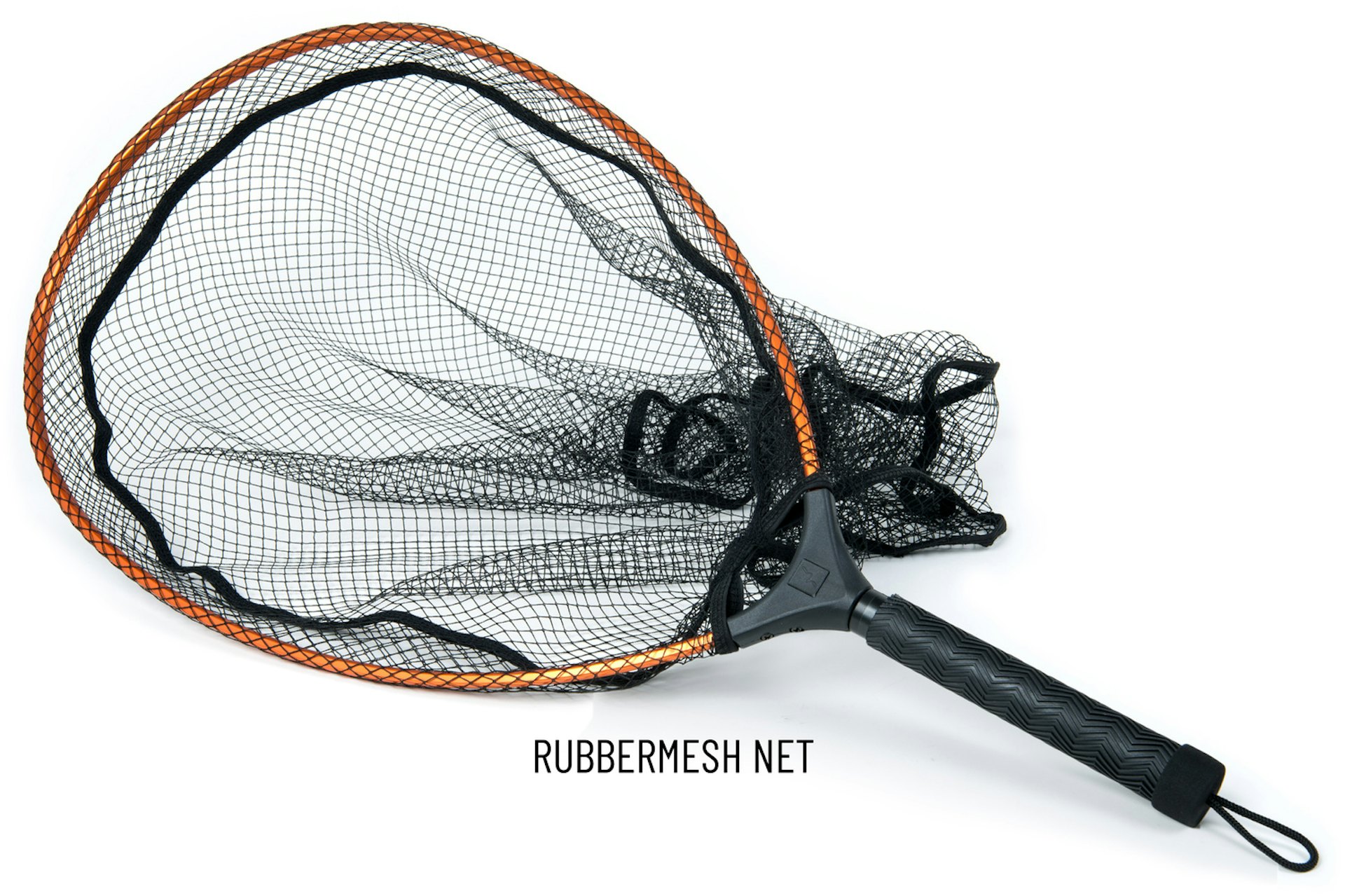
Guideline Multi Grip is a net system with different frames and exchangeable handles in various models. This model Large has a rubber mesh.
Read moreMulti Grip Net - Rubber Mesh #L
99.99 USD
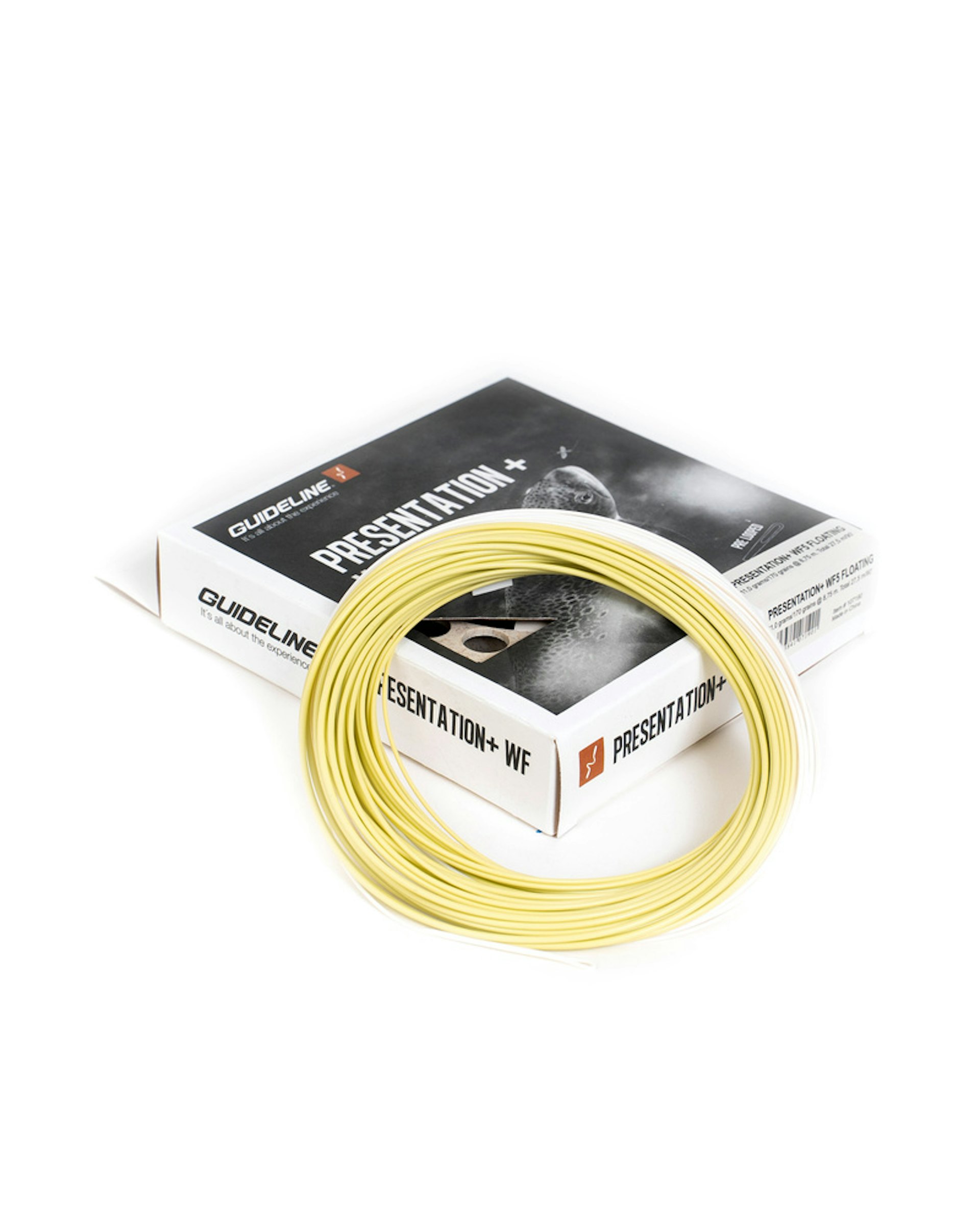
Presentation is a great all-round line that is easy to cast and delivers superb presentations.
Read morePresentation+ WF
99.99 USD
Equipment for the area
A dry-fly outfit and a separate setup for heavier subsurface work provide a useful starting point. Choose the balance according to your dates and whether the priority is hatches, nymphing or streamer fishing.
Rods, reels and lines
A #4 or #5 single-handed rod is well suited to much of Rena’s dry-fly fishing. For streamers, local guidance recommends outfits in the #5–7 range, depending on fly size and the line required. Local tackle recommendations.
Within the Guideline range, an LPX Tactical 9' #4 or #5 makes a versatile dry-fly and nymph option. The 9'9" models offer additional reach for line management and presentation where that suits the fishing position. Match the rod with a floating line such as Fario CDC WF for delicate delivery or Presentation+ WF for varied dry-fly and nymph work.
For dedicated streamer fishing, the heavier LPX Tactical models provide options for larger flies and sinking lines. Select the outfit around the actual fly and line combination rather than fish size alone.
A smooth-drag reel and sound connections complete the setup. Rena holds fish capable of testing light tackle, so inspect knots and tippet regularly, particularly after a difficult cast or contact with bankside vegetation.
Leaders and presentation
Carry tapered leaders that can be adjusted for fly size, wind and the current seams between you and the fish. A longer leader can help separate the fly from the line, but it must still turn over accurately.
On smooth water, small differences in drift become visible to both angler and fish. Practise reach casts, controlled slack and gentle line management before the trip. Roll casting and single-handed Spey techniques are also valuable where trees restrict the backcast.
Use tippet strong enough to control and land the fish efficiently. Refusals should prompt a review of fly stage, drift and approach as well as diameter.
Streamer Fishing From a Drift Boat
Streamer fishing offers one of the most exciting and fast-paced ways to fly fish and it is a great way to cover water and seek out the most aggressive trout. In this post Guideline's US manager Max Kantor met up with ambassador John Bond on Norway’s Rena River to discuss streamer tactics and how to properly choose the correct outfit for approaching this style of fishing. Read Guideline's JournalTips&Tricks
Flies
Build your Rena fly selection around both the insects present and the way fish are feeding. Mayfly nymphs, emergers, duns and spent spinners cover different stages of a hatch, while caddis larvae, swimming pupae and adult patterns become particularly important as summer progresses.
Carry a range of profiles and sizes. Large Ephemera danica imitations belong alongside smaller olive and cream mayflies, with sizes 16–18 particularly relevant during late summer. Low-riding emergers and spent-wing patterns provide alternatives when fish refuse a more conspicuous dry. Rena’s summer hatches, late-season mayflies.
For caddis fishing, include patterns that work in and immediately beneath the surface film. During the swimming-pupa activity, a carefully controlled movement may be appropriate; watch the natural insects and feeding fish before deciding how to animate the fly. Check the camp’s fly shop for the sizes and dressings currently producing results.
Streamers
Streamer fishing deserves a dedicated place in a Rena trip, particularly for anglers interested in searching for larger brown trout. It can be effective when surface activity is limited, and higher water can create opportunities to work bankside holding water from a drift boat.
Our fishing with John Bond on the Rena included smaller, naturally coloured streamers as well as larger articulated patterns on sinking lines during unusually high summer flows. Short, accurate casts and an efficient retrieve helped keep the fly close to the structure being covered
Flies for Rena FishCamp
VIDEO
John Bond introduces his favorite streamers for trout fishing. John boasts an extensive background in streamer fishing, fly tying, and guiding. Throughout his career, he guided in Montana before relocating to Norway, where he and his wife established Rena Fishcamp.Watch the video