NEW ZEALAND
Based in Nelson, at the northern end of New Zealand’s South Island, Latitude Guiding specialises in sight fishing for large brown trout. Led by Mike Kirkpatrick, the operation offers individually planned trips across a varied landscape of lowland rivers, forested valleys and clear backcountry headwaters. To Latitude GuidingLatitude Guiding
About Latitude Guiding, New Zealand
Based in Nelson, at the northern end of New Zealand’s South Island, Latitude Guiding specialises in sight fishing for large brown trout. Led by Mike Kirkpatrick, the operation offers individually planned trips across a varied landscape of lowland rivers, forested valleys and clear backcountry headwaters. Latitude Guiding.
The connection with Guideline is rooted in practical fishing knowledge. Mike is a Guideline ambassador, and our work together has explored the details that define New Zealand trout fishing: spotting fish, presenting long leaders, eliminating micro-drag and choosing tackle that allows anglers to land fish efficiently.
These are also the foundations of the experience Latitude offers. Taking time to understand a trout’s position and feeding behaviour, then making a considered presentation, brings a particular depth to a day on the river. Local knowledge and suitable equipment help anglers make the most of those opportunities.
Trips range from local fishing days to extended wilderness excursions. Depending on the itinerary, access may involve walking, four-wheel-drive vehicles, boats or helicopters. Overnight accommodation can include riverside camping, backcountry huts, cabins or separately arranged lodges and bed-and-breakfast accommodation.
This flexibility makes it possible to build a trip around both fishing preferences and physical ability. Discuss how far you are comfortable walking, your confidence wading uneven riverbeds and how much time you would like to spend in remote country. The journey into a river is part of the day, and choosing an appropriate itinerary helps preserve time and energy for the fishing itself.
The available water is remarkably varied. Latitude’s home territory extends across Nelson and Marlborough, with excursions into areas including the West Coast, Nelson Lakes and Lewis Pass. Clear headwaters and slightly tannin-stained rivers present different spotting challenges, while small streams and larger rivers call for different approaches. Brown trout are the operation’s principal speciality.
The season
October through April provides the broad planning window for much of the region’s river fishing. Individual waters have their own opening dates and restrictions, so the itinerary must be checked against the regulations for the season of travel.
The progression from spring to autumn changes the available food, the opportunities for surface fishing and the way anglers approach the water. These are general regional patterns; weather, elevation and the particular river determine what happens on the day.
Spring and early summer
For an early-season trip, prepare to fish both below and on the surface. A rising trout offers a clear starting point, but a visible fish holding deeper may require a carefully weighted nymph and sufficient upstream lead for the fly to reach its feeding level.
The useful preparation is versatility: a selection of nymph weights, manageable indicators and dry flies suited to the insects present. Adjusting depth and drift should come before repeatedly covering a fish with the same presentation.
As summer develops, a dry-and-dropper arrangement can provide an effective way to explore both levels. The dry must support the chosen nymph while still landing and drifting convincingly. Regional advice specifically identifies terrestrial dries with a trailing nymph as a useful summer approach.
Midsummer: terrestrial opportunities
January and February can bring the terrestrial fishing for which the region is well known. Cicadas and passionvine hoppers become important food sources, creating opportunities to present a dry to a fish that is actively looking towards the surface.
The timing and strength of this activity vary. Fish & Game’s regional reporting describes both enthusiastic responses to large cicada patterns and periods when other terrestrial insects are less abundant than expected. Plan for these opportunities, while retaining smaller dries and nymphs for fish feeding differently.
A large dry does not remove the need for a good drift. Watch the fish’s response and let the guide determine whether to adjust the angle, change the fly or allow the trout to settle before trying again.
Autumn: mayflies and changing feeding patterns
As the season moves through March into April, terrestrial activity generally declines and mayflies regain importance. Regional reports highlight daytime hatches and productive lowland fishing during this period, with cooler conditions changing the rhythm of the day.
For anglers interested in hatch-driven fishing, autumn offers a different reason to visit. Carry smaller mayfly imitations and matching nymphs, and be ready to concentrate on a shorter feeding window when fish begin rising.
Prefered Guideline gear for New Zealand



Guideline NT11 Trout fly rods utilize advanced T1100 aerospace graphite for a premium experience. This featherlight blank delivers a smooth, progressive medium-fast action that elevates your casting with effortless delicacy and precise tracking control at both short and long distances.
Read moreNT11 Trout Series
750.00 USD
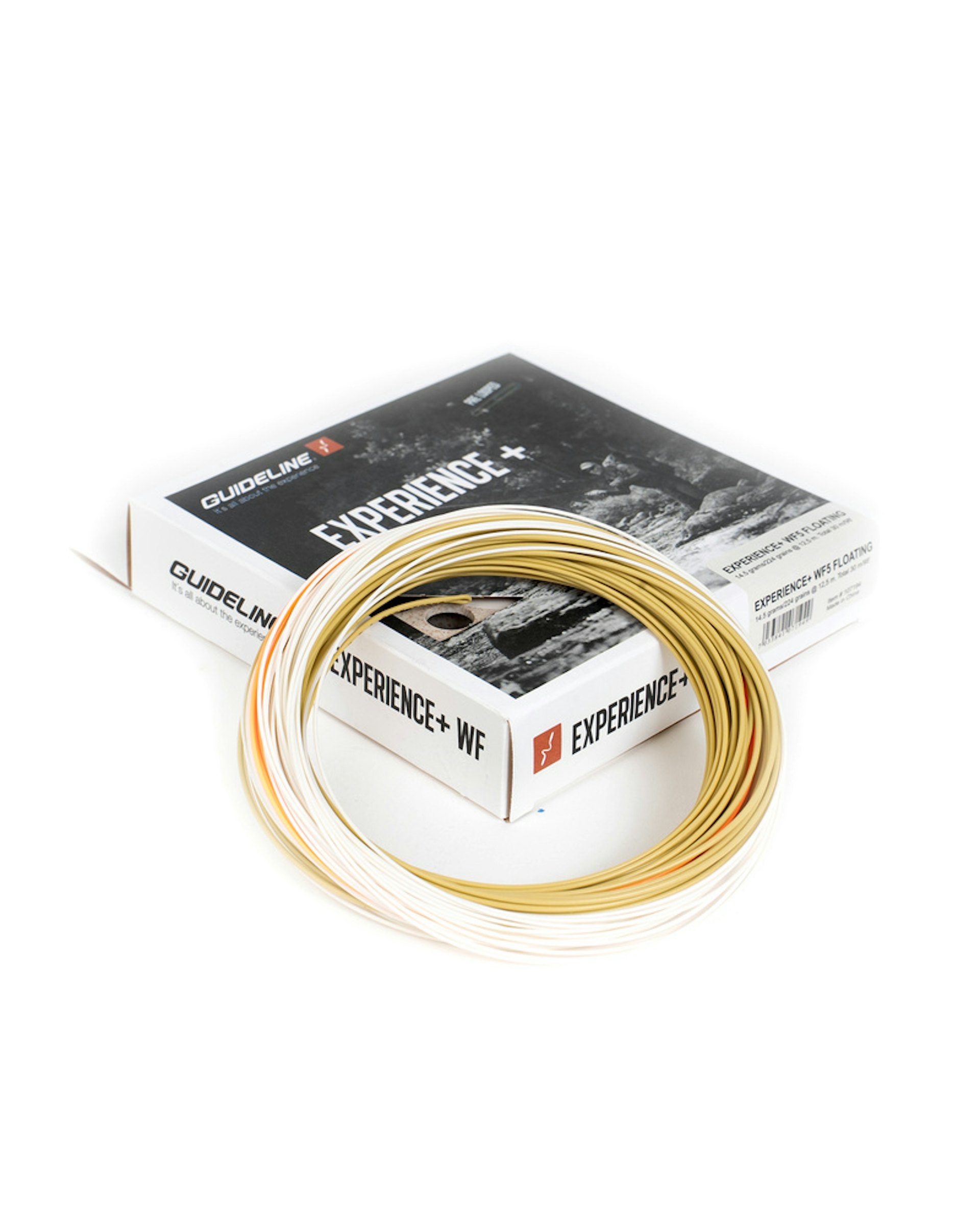
Experience+ is an all-round floating line that is designed for all kinds of casts and distances.
Read moreExperience+ WF
99.99 USD


Guideline Aura fly reels elevate performance into beauty — light, strong, and elegant in every detail. The lightweight construction complements modern fly rods, and the fully sealed carbon-fibre drag system delivers smooth, consistent resistance in both fresh and salt water. With seven models and three colors in the range each size is carefully matched to its purpose, from light trout to heavy salmon setups.
Read moreAURA Titan
360.00 USD

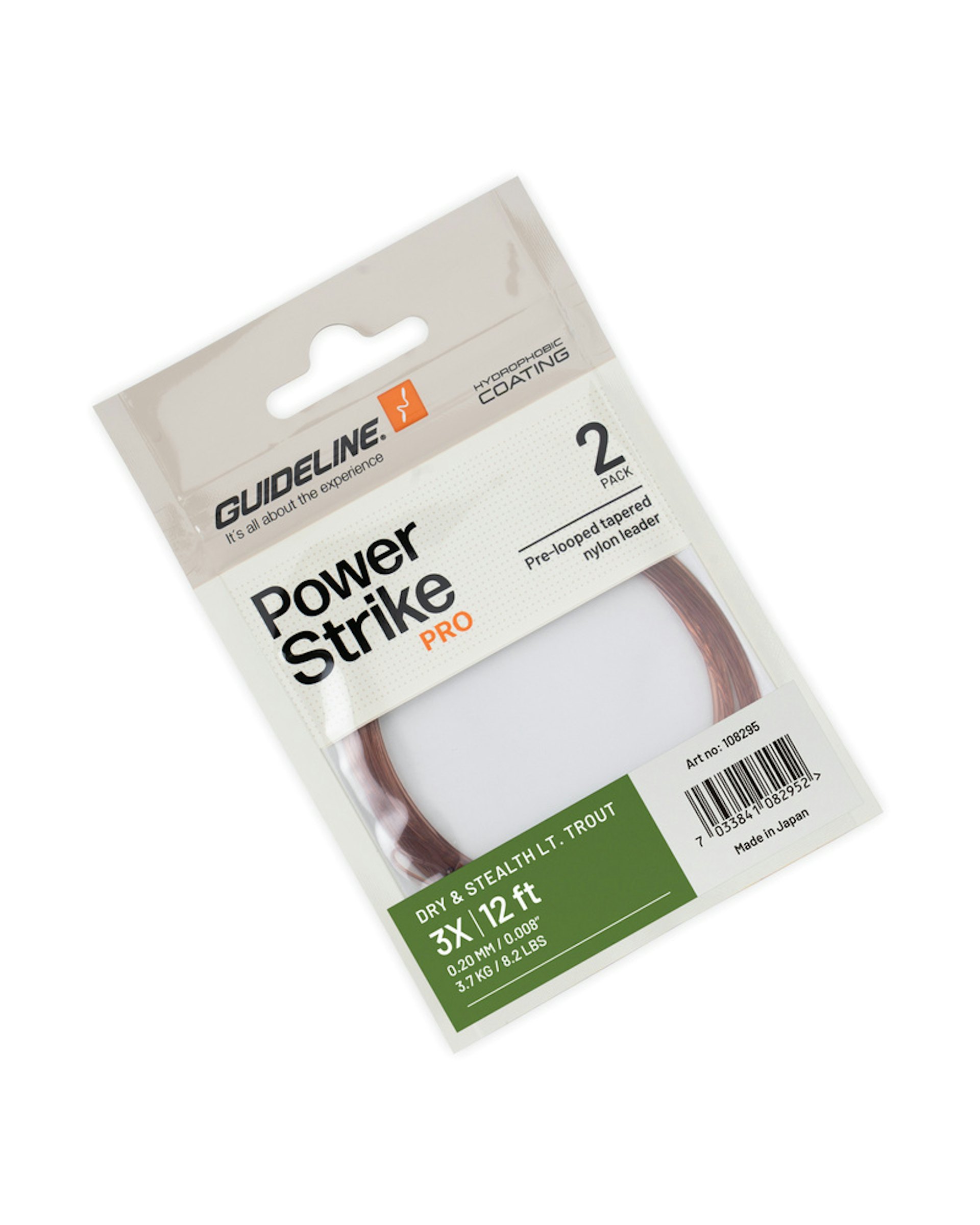
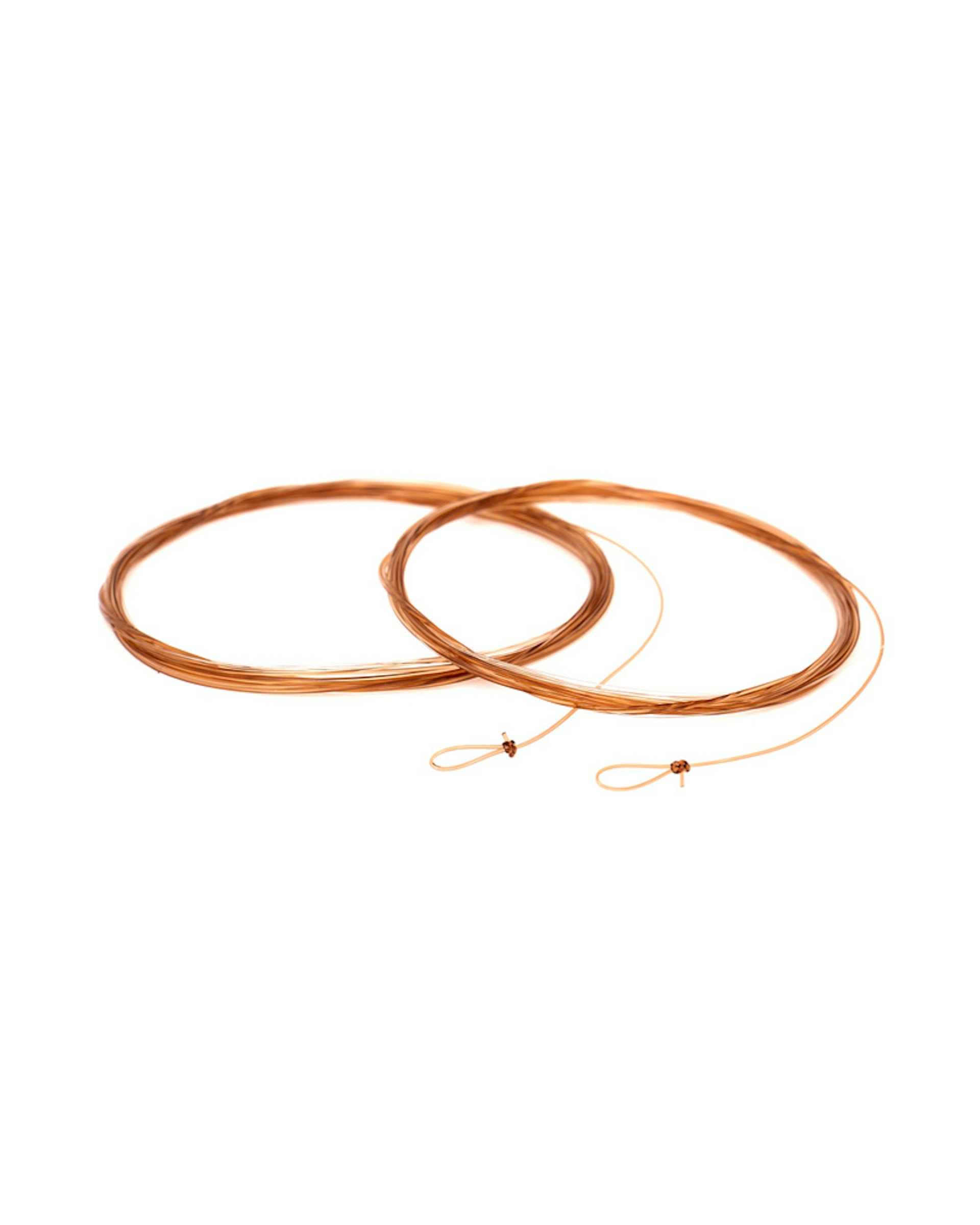
Guideline Power Strike PRO Dry & Stealth leaders offer uncompromised presentation and improved control. The Dry & Stealth has been designed to be customized for combating various conditions, or circumstances we encounter. Possessing a slimmer butt section the ‘Light Trout’ has been developed with lighter line ratings in mind, making them perfect for fly lines rated 0-4wt.
Read moreDry & Stealth Lt. Trout 12 ft
9.99 USD
Equipment for the area
Build the outfit around accurate presentation, dependable turnover and confident fish control. Long leaders, weighted nymphs and wind can all place demands on the same rod during a single day.
Rods, reels and lines
For planning purposes, a 9-foot #5 or #6 single-handed rod is a practical starting point to discuss with Mike. A #5 suits much dry-fly and lighter nymph fishing; a #6 provides additional capacity for wind, larger terrestrials and heavier nymph combinations. A spare rod is sensible for a multi-day itinerary.
Within the Guideline range, LPX Tactical and NT11 Trout are relevant options for this style of fishing. Pair the rod with a floating line selected for the presentations you expect to make. Fario CDC WF is an option for accurate, delicate delivery, while Presentation+ WF offers an alternative for general dry-fly and nymph work.
Choose a reel with a smooth, dependable drag, and inspect backing, knots and line connections before travelling.
Leaders, tippet and presentation
Long leaders are an important part of the New Zealand approach, but length must remain manageable. Practise turning over the complete leader with the flies you intend to use, including a weighted dropper.
Carry a range of tippet diameters and choose according to fly size, water clarity and the need to control the fish. Automatically moving to the finest material can compromise both turnover and landing efficiency. Mike’s work with Guideline specifically addresses tippet choice, micro-drag and effective fish handling.
Before the trip, practise accurate first casts, controlled slack and reach casts. Being able to adjust the drift without dragging the fly across the fish is especially useful.
Flies and accessories
A useful starting selection includes mayfly dries, emergers, terrestrial patterns and nymphs in several weights. For the Motueka, regional guidance emphasises small dries and nymphs, with variation in weight often more useful than a large number of patterns.
Good polarised glasses are central to spotting fish and following their response. Pack a brimmed hat, floatant, a suitable indicator system and an organised selection of leaders and tippet.
Wading equipment and clothing
A local river day and an overnight backcountry trip require different packing decisions.
Prioritise supportive rubber-soled footwear, comfortable walking layers and dependable rain protection. Carry spare insulation in waterproof storage, and establish whether waders or a wet-wading arrangement are appropriate for the conditions.
Biosecurity preparation is part of travelling to New Zealand with fishing equipment. Used freshwater tackle must arrive clean and dry and be declared. Leave felt-soled wading footwear at home, and follow the local Check, Clean, Dry procedures when moving between waterways.
Garment and accessories for your trip to New Zealand
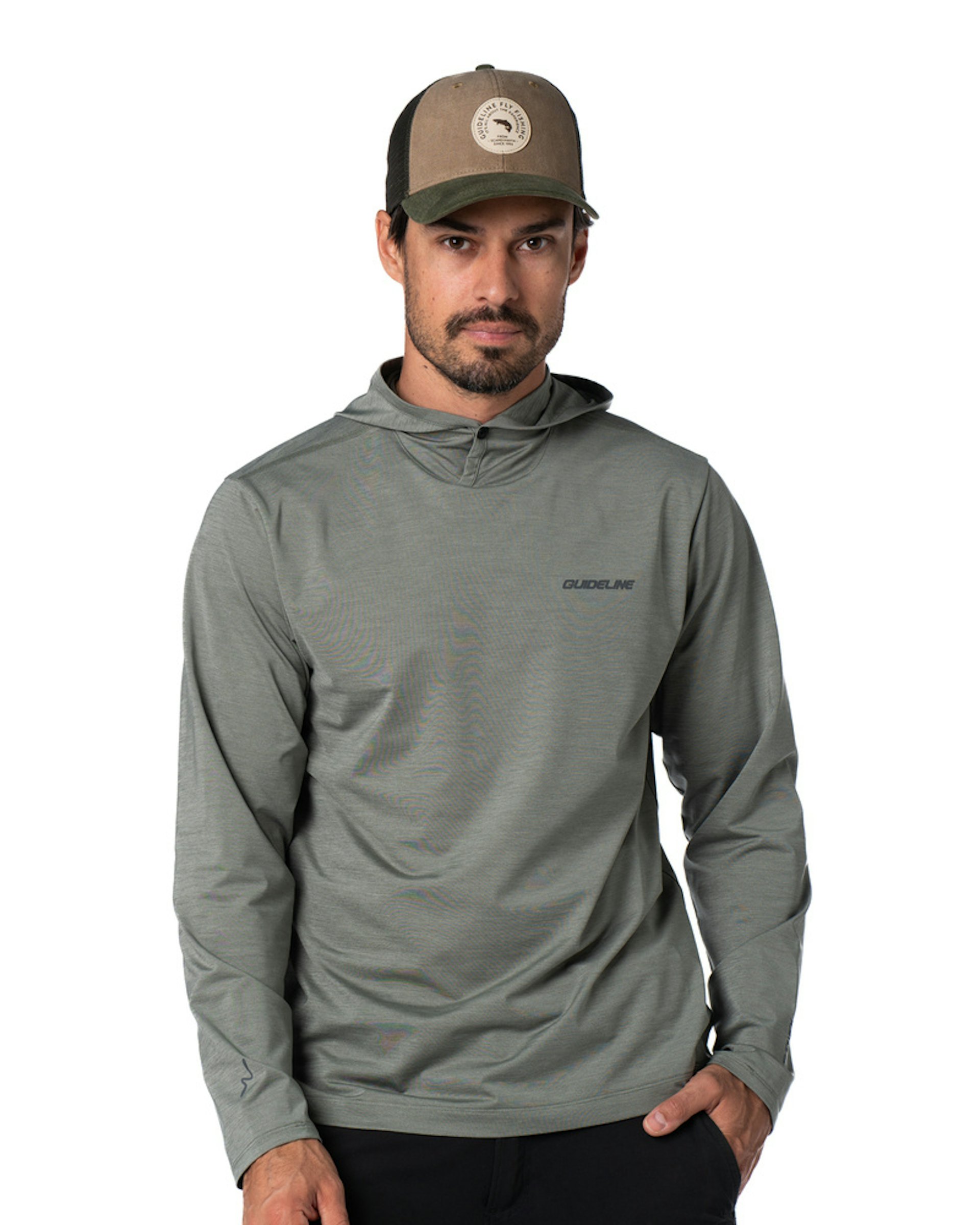

Comfortable and quick-drying long-sleeve shirt with a hood, designed for the active fly angler. The shirt provides strong sun protection with UPF 50+, and features a plant based HeiQ Mint™ odor control. Elastic thumb grips prevent the sleeves from riding up.
Our model measures 183cm/80kg (6'0"/176 lbs) and wears size M
Sunwick Hoodie Trundle Gray
99.99 USD
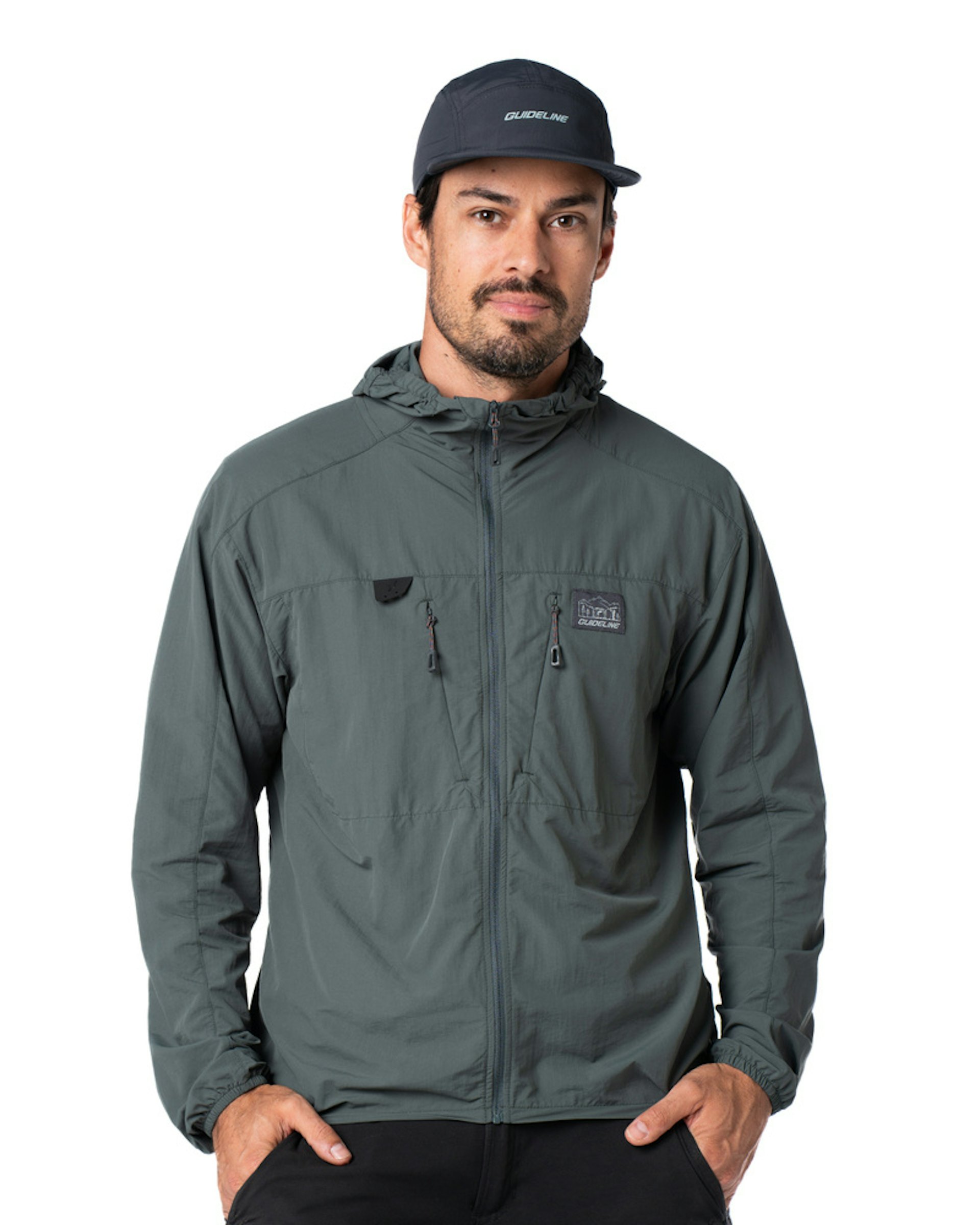
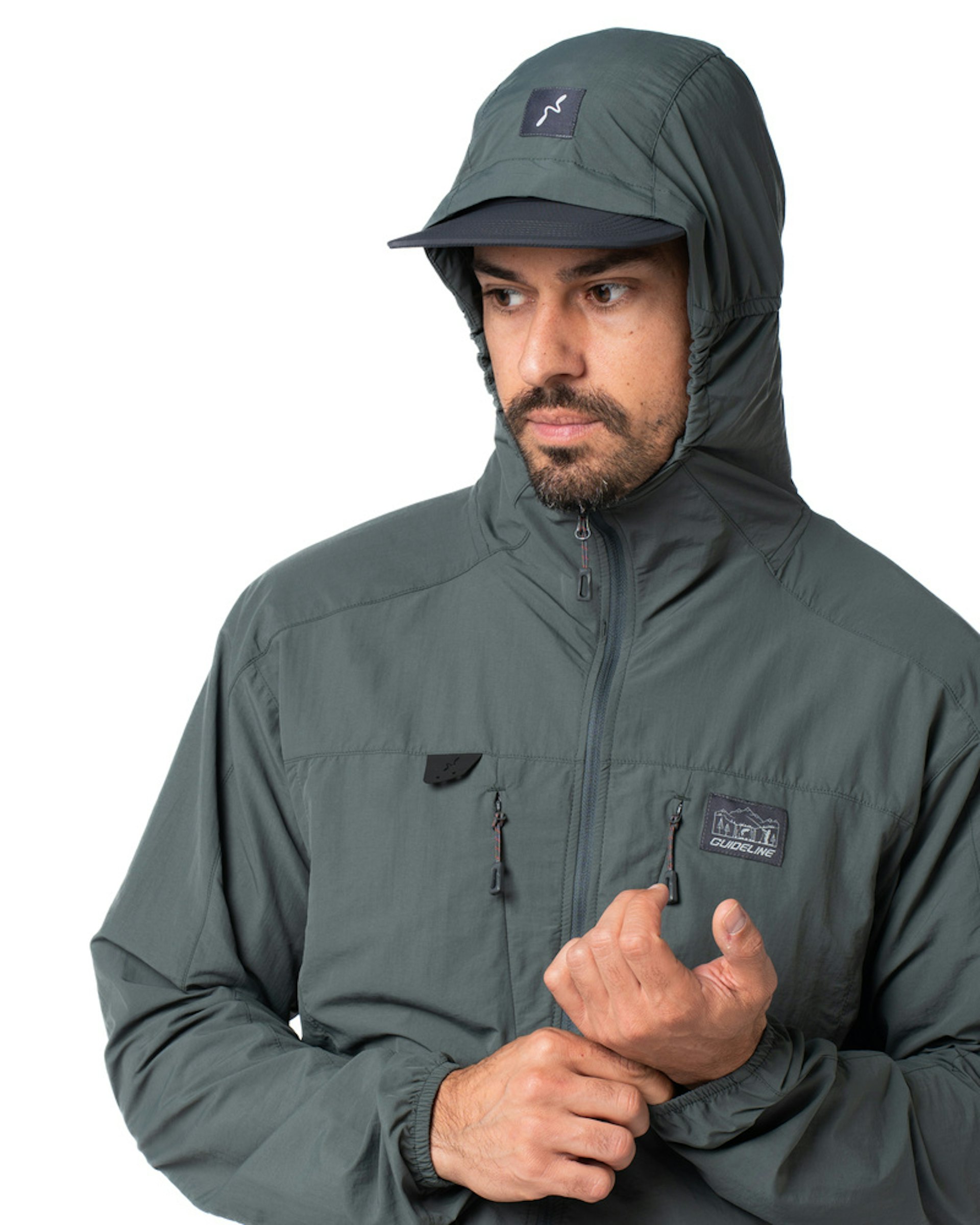
ULBC Tactical Jacket is ultralight, windproof and highly breathable for hiking and fishing. Tightly woven bluesign®‑certified nylon fabric blocks mosquitoes without chemicals, dries fast and resists abrasion. UPF 50+ sun protection and generous storage with vertical zip pockets, Hypalon docking station and neck D-ring makes it a great garment for fly anglers on the move.
Our model measures 183cm/80kg (6'0"/176 lbs) and wears size M
ULBC Tactical Jkt Algae Green
175.00 USD
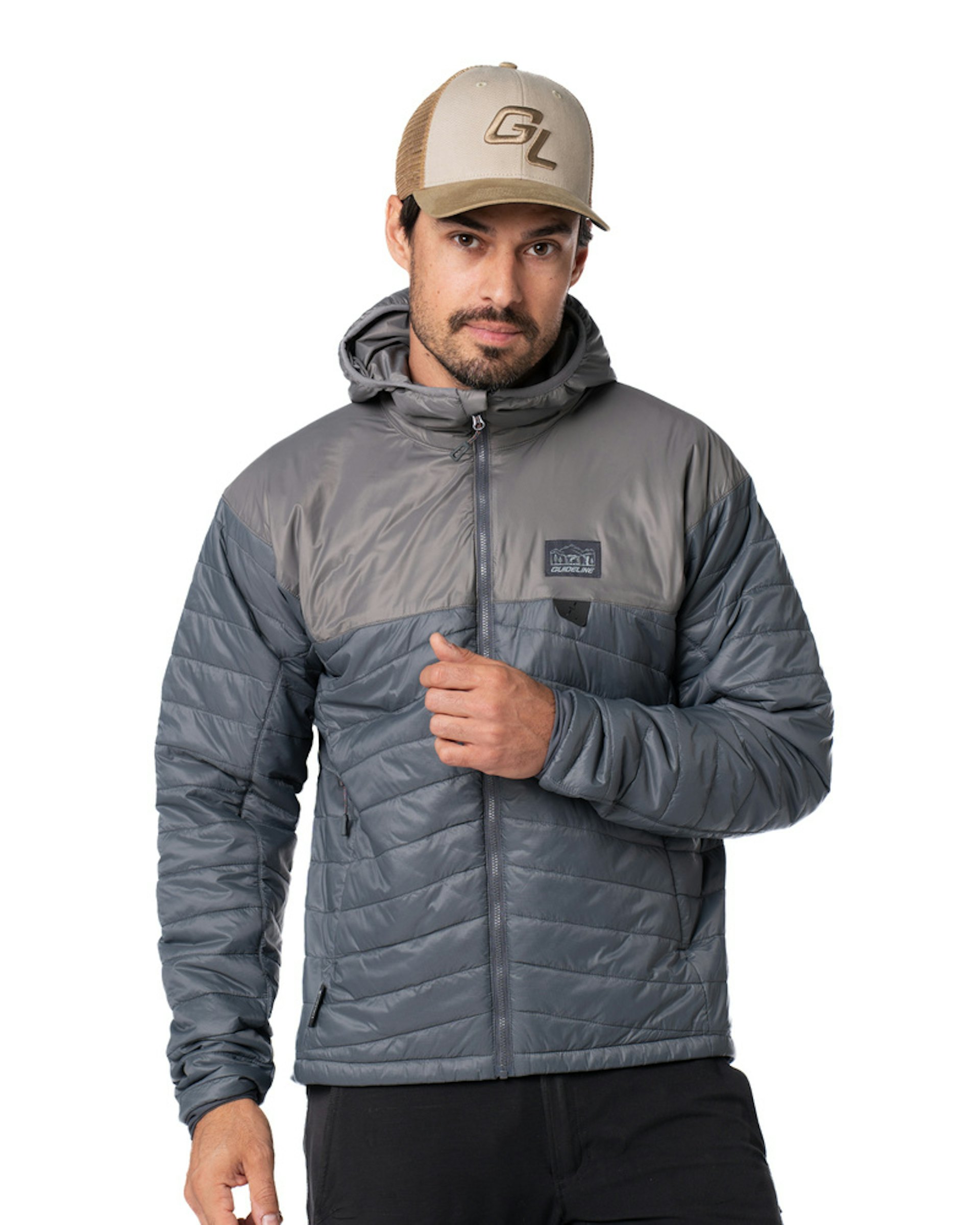
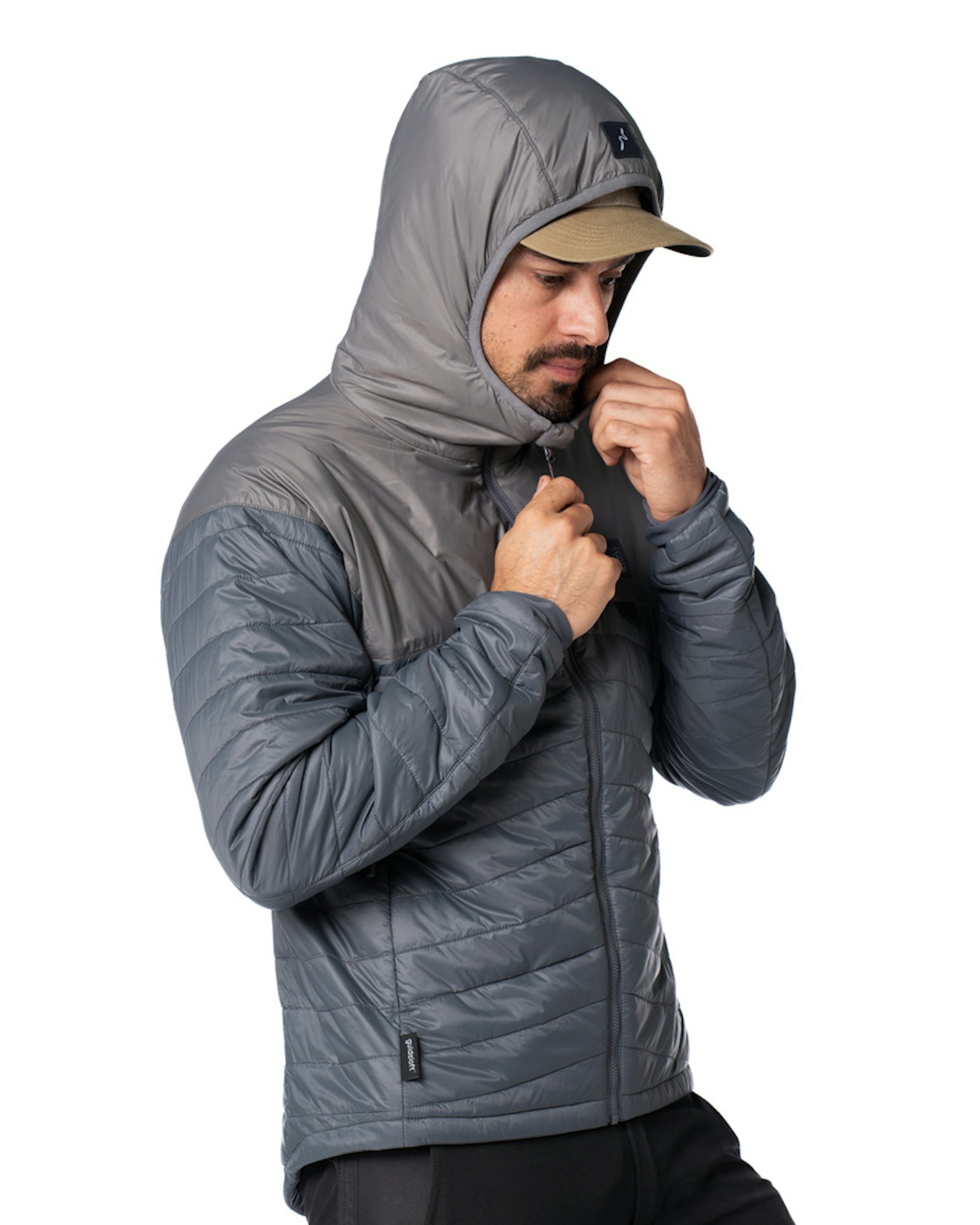
The Guideline Loft Jacket is a lightweight, wind-resistant, and packable layer for fishing and everyday wear. Made from recycled materials and insulated with Guideloft™, it provides warmth, comfort, and practical features. It packs into its own pocket for easy storage.
Our model measures 183cm/80kg (6'0"/176 lbs) and wears size M
Loft Jacket Ash/Iron
270.00 USD


The Experience WP Rolltop 21 is a rugged and waterproof 21-liter backpack, with a classic and secure roll-top closure. It is designed to offer exceptional carrying comfort while keeping your gear secure and protected at all times.
Read moreExperience Waterproof Rolltop 21
169.99 USD
NEW ZEALAND WITH MIKE KIRKPATRICK
Follow along the two premier fly fishing guides Hans Kreuer and Mike Kirkpatrick as they show us some deep insights about the New Zealand sight fishing for rainbow and brow trout. With some great on-the-river footage they prepare us to cast long leaders, avoiding micro drag, how to spot fish, to use a dry fly as indicator and finally, discuss tippet size and how to fight fish to land them safely and keep mortality to a minimum.Watch the video