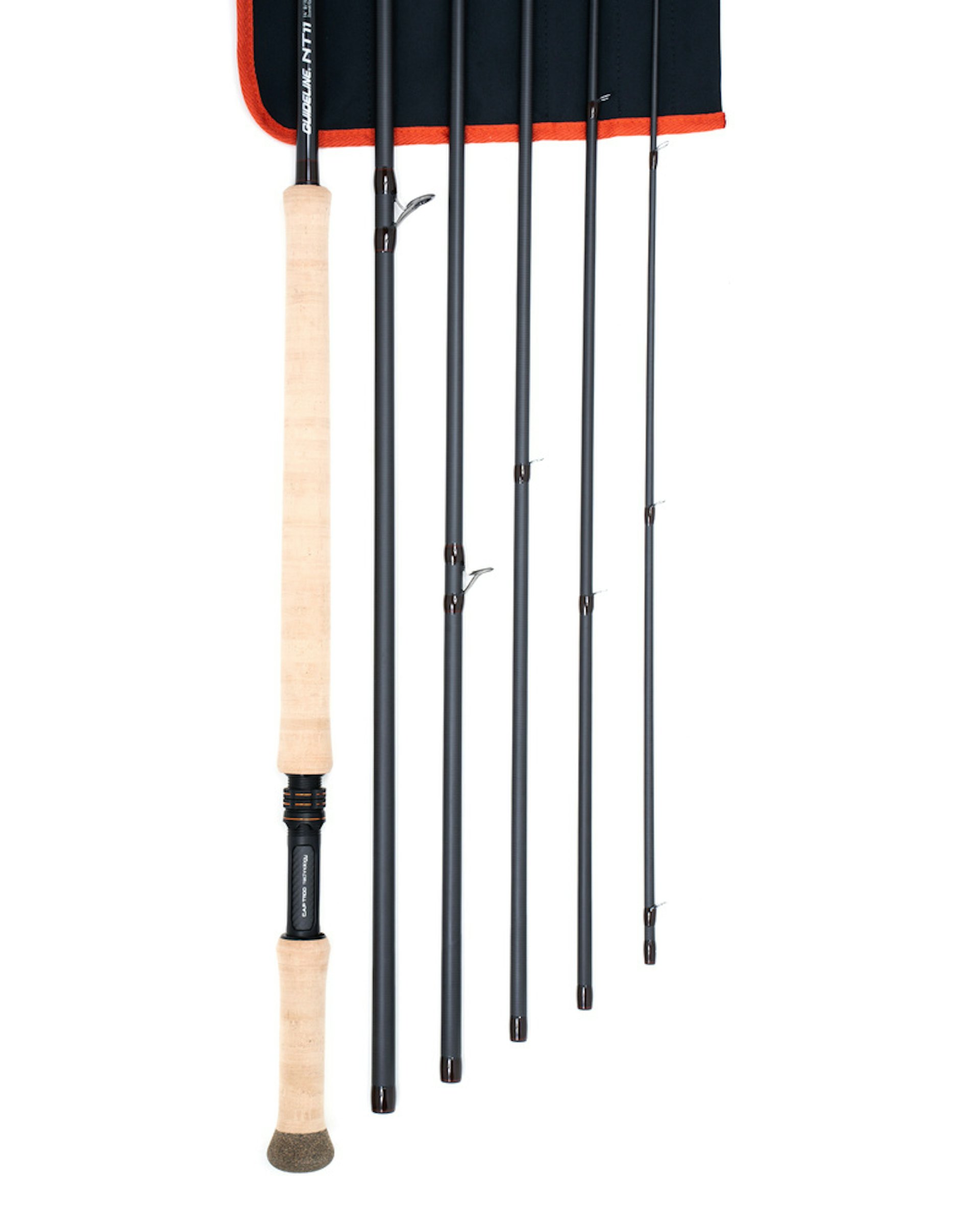
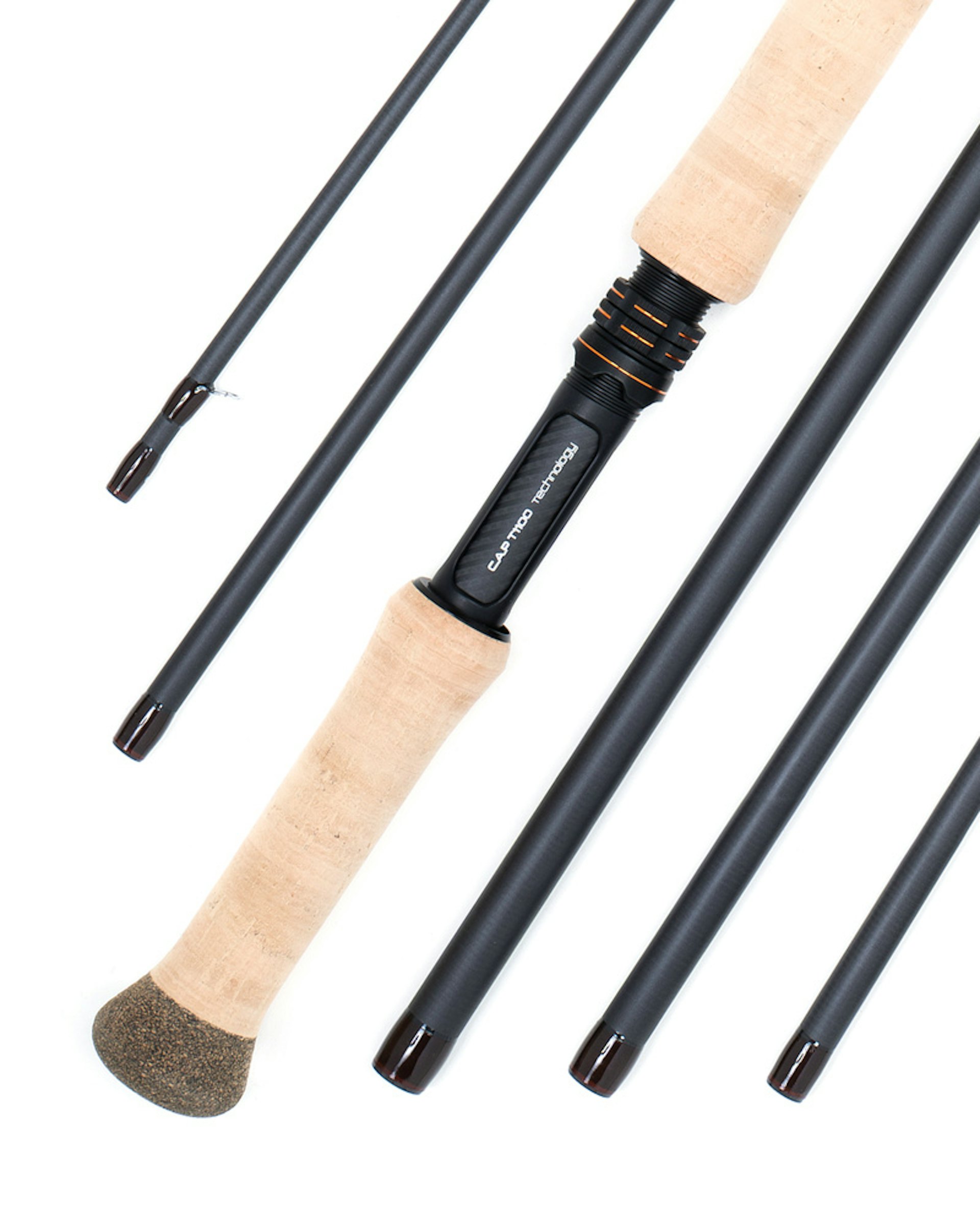
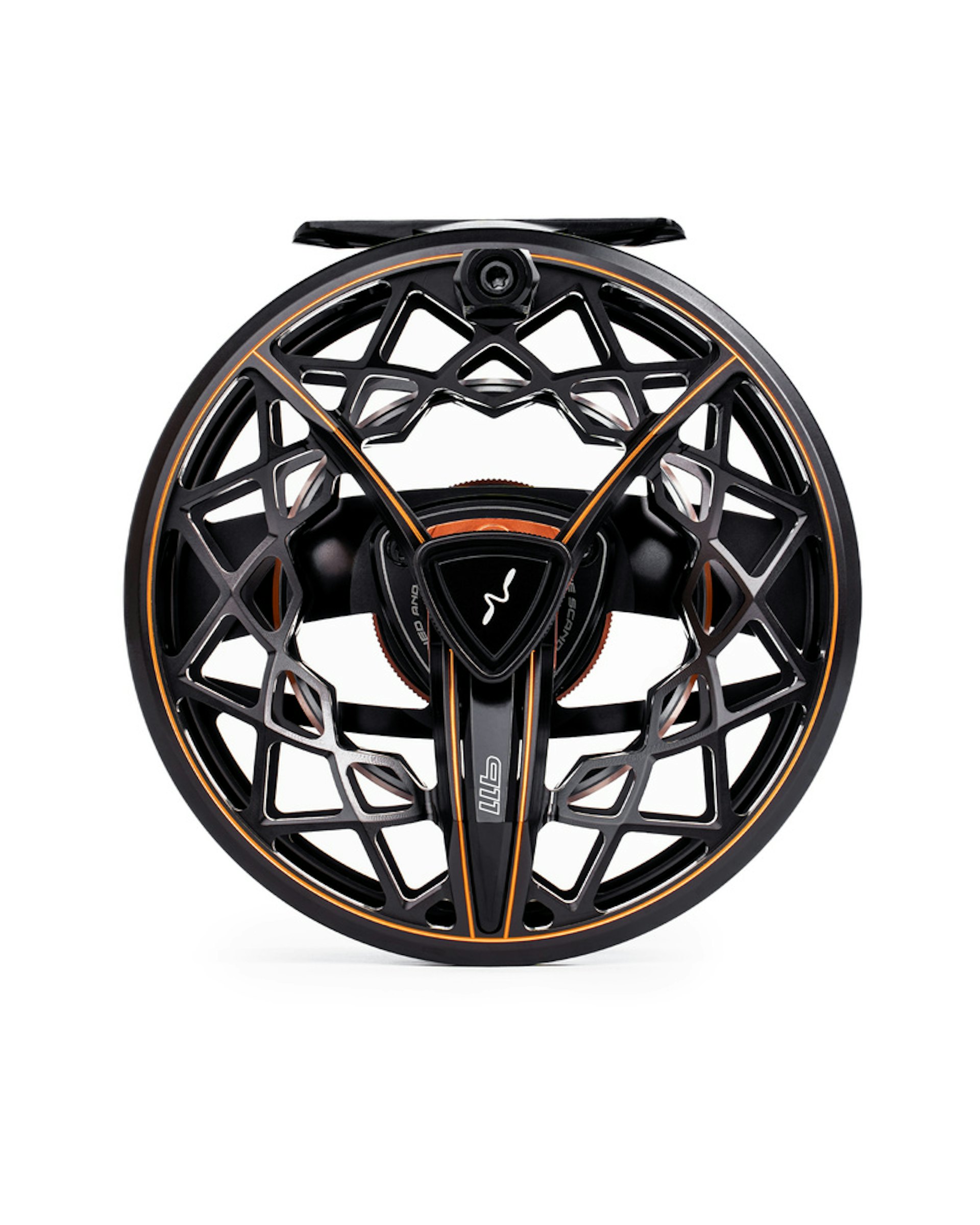
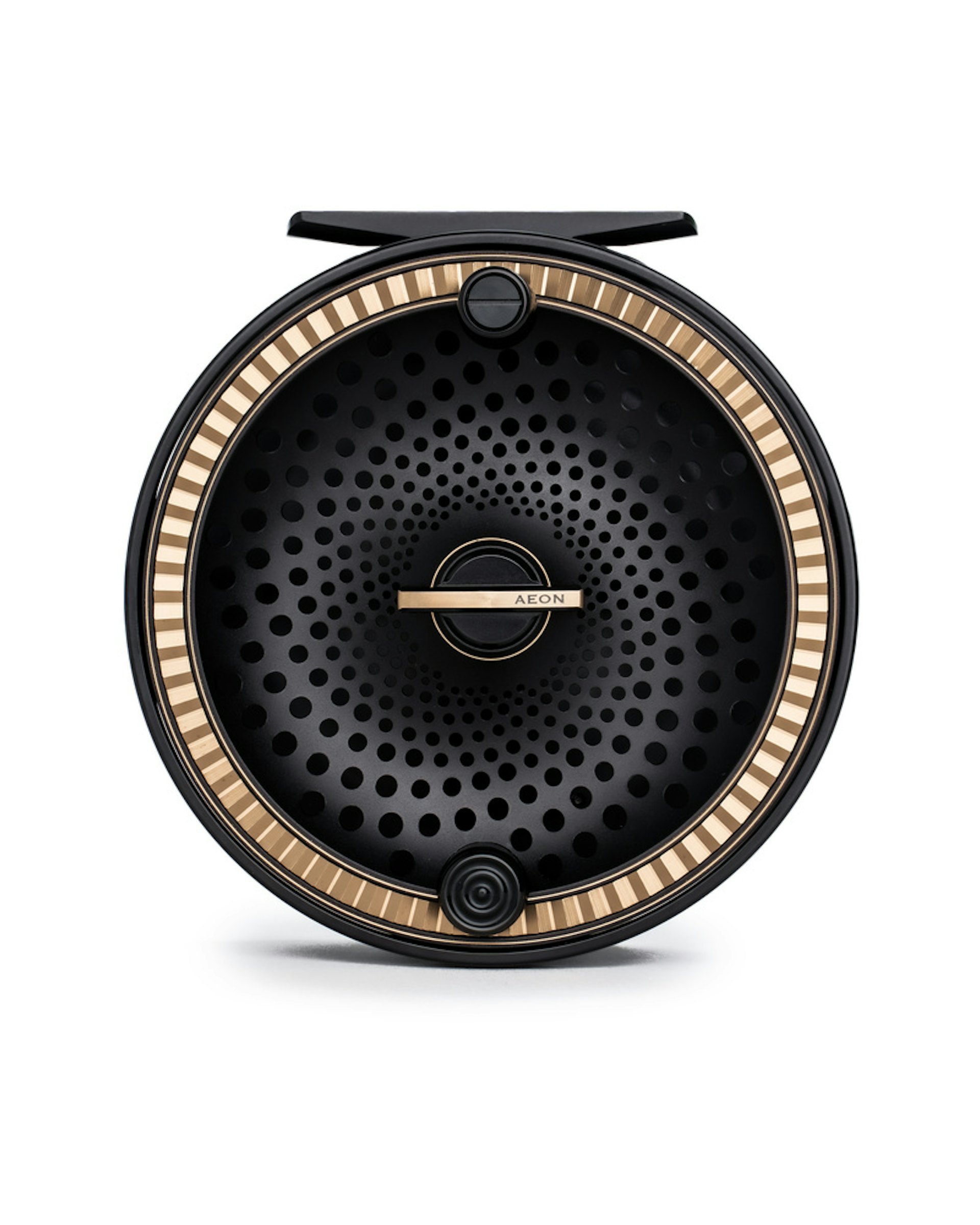
A shorter double handed rod is ideal for gentle presentation, especially in the evenings when the wind drops; also for those days when casting really small rubber leg nymphs over very calm water or smaller pockets is required. If you haven’t used a two-hander before our guides are there to help you but it’s a good idea to familiarise yourself with Spey casting before you come, to maximise the time you are fishing, rather than practicing.
Most of our clients favour the "Skandi-short" line which is twinned with an assortment of tips from floating, intermediate through fast sinking to get your fly working at the right depth for fish to see and engage with. These short belly lines or short shooting heads are recommended to strip and work the flies in different ways. Changing the speeds of the strip, the angles and the depth of the presentations are one of the most important parts of seatrout fishing in Gallegos. Most of the time, fishing is best with floating or slow sink lines. A popular combination is a floating line with a clear polyleader or tip with a 2-2.5 meters long tippet, especially when fishing heavy rubber leg nymphs or small streamers.
The classic double or triple density shooting heads are also an option. Some anglers bring Skagit lines for those days when big flies are necessary, but it does not happen often during the summer season. Lighter lines are preferred for a controlled and delicate presentation. For single handed rods it is recommended to bring floating and intermediate lines. For the Chico, a fairly delicate 4/5 wt 9” rod or shorter is ideal.
When the river is high the fish will take up position in classically deep pools; when the river is lower the fish can be intercepted in long runs as they search out favourite spots on their way to spawn. River structure is important. Fish often reside at the base of high banks or around rocks or other obstructions. Our guides will be at your shoulder to advise where and how to swing your fly, whether or not you’ll need to retrieve or just to let it swing temptingly through the current.
Wading is generally very shallow with an average of 40-45 cm depth. However, in some of the most famous pools, wading could be slightly deeper, not only to reach the far bank, but to get the correct angle when drifting a fly, especially in higher water. The wading is fairly easy, over stones or sand, and there is not a great deal of walking involved as your guide will drive right up to the bank.
Fishing from the bank is possible and preferable in some pools. But you’ll need waders too to maximise your chances. They should be comfortable and roomy enough to let you cast with ease. Breathable waders with a thermal underlayer are the best in our ever-changing conditions. Rubber-soled boots with studs are the best over our soft gravel shorelines and river bottom. A wading stick is a good idea too, especially when crossing deep pools or getting to the opposite side of the river. Under the waders you’ll need a wading jacket and some kind of shirt; you can bring an extra layer or two in the 4x4 for sudden changes of temperature. Gloves are useful when the temperature drops, especially in the evenings. Sunglasses and clear safety glasses are essential eye protection.