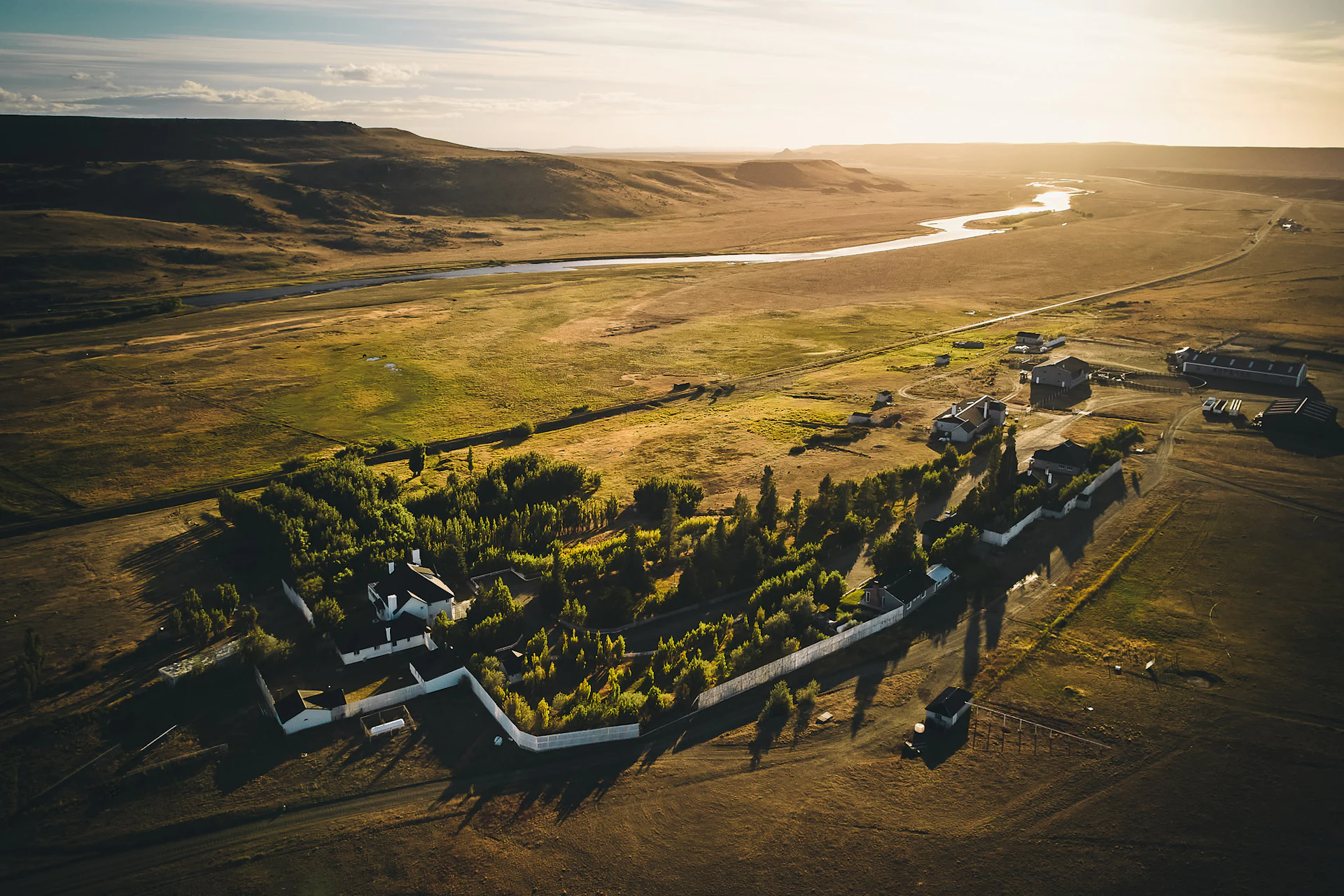
Low water on the Río Gallegos is a different kind of problem than low water on most rivers. Here, the terrain is open and relentless — no streamside trees to break the sky, no canyon walls to muffle the wind. The fish can see everything. They feel the pressure of every misplaced boot, every fly line dropped too hard across their window. In seasons with generous rainfall, the river's depth and colour offer at least some mercy. This season offered none.
The guides at Bella Sofia were candid from the breakfast table on day one. Water levels were running roughly forty per cent below seasonal averages. The fish — a mix of sea-run brown trout, the migratoria that had pushed upriver from the Atlantic, and resident browns that had made the Río Gallegos their permanent home since they were introduced in the early 20th century — were concentrated in the deeper pools. They were not uncatchable. But they were demanding in a way that would punish any lazy assumption about gear or approach.
This is the particular genius of the Río Gallegos sea-run brown trout — a fish that has fed in the cold, plankton-rich waters of the South Atlantic before returning upriver carrying broad silver flanks and a nervous, sea-tempered wariness. Even in normal conditions they are extraordinary targets. In low, clear water, they become something else entirely: a study in patience, precision, and humility.
A ten-pound sea-run brown trout fights with a ferocity that will challenge any tackle and any angler. A fish in the mid-teens, which the Río Gallegos produces with quiet regularity in a good season, is a genuinely transformative experience.