Saline Reel | Confidence through testing

views.article.published2026/10/26
views.article.wordsByAlvaro G. Santillan
views.article.photographyAlvaro G Santillan
The new Guideline Saline reels have nearly spent four years of development, from controlled factory testing to saltwater destinations around the world.
Saltwater asks more of a reel. Salt and sand find their way into the smallest spaces. Heat, spray and repeated exposure add to the demands of powerful fish, long runs and sustained pressure. A reel has to deliver precise, consistent performance while living with all of it, day after day.
In this environment, closing the gap between factory testing and performance on the water takes time. Controlled tests provide essential measurements, but understanding how a reel performs through repeated exposure to saltwater fishing requires a longer process: testing, assessing, refining and taking it fishing again.
The Saline spent nearly four years in development, moving back and forth between the factory, the UK and Scandinavia, and travelling to saltwater destinations around the globe. Factory testing and stress cycles formed one part of that work. Time on the water with experienced anglers formed another, bringing the development process into contact with the conditions the reel was being built to face.
Off Mexico’s Magdalena Bay, that meant hundreds of metres of backing disappearing into the Pacific, with a striped marlin at the other end. For Max Kantor, fishing Saline prototypes there was an opportunity to discover how they responded when powerful fish took control of the encounter.
“We watched hundreds of meters of backing disappear, cranked on fish until our knuckles were bruised and bloody, and had the time of our lives.”
Such moments bring nearly four years of work into sharp focus. Every design decision and every round of testing eventually has to translate into something an angler can feel: smooth resistance as a fish accelerates, controlled pressure during a prolonged fight, and confidence to make the next adjustment.
From the factory to the fish
A demanding test programme needs to examine more than maximum drag. How resistance builds through the adjustment range, how the reel behaves under load and whether it continues to perform consistently through repeated use all matter to the person holding the rod.
The advantage of factory testing is the ability to control and repeat those demands. Stress cycles allow performance to be assessed beyond a single application of load, while comparable conditions help the development team evaluate successive prototypes.
Field testing adds another layer of scrutiny. Current changes the pressure on a fish. A sudden surge forces an adjustment. Sand, salt and handling become part of the working day. Experienced anglers can assess how the equipment responds within that wider picture—and explain which characteristics make a meaningful difference.
For Espen Myhre, Max Kantor and Fabrice Bergues, that assessment draws on years spent pursuing demanding saltwater species.
Cuba: control when matters
After more than fifteen expeditions to Jardines de la Reina, Espen Myhre knows the demands of Cuba’s migratory tarpon fishery. Fishing reefs, flats and channels from shallow-water skiffs, he has experienced both memorable successes and the disappointment of lost opportunities.
“Salt, heat, fishing from skiffs, relentless use, and fish capable of blistering runs expose every weakness in yourself and your equipment.”
When an exceptional tarpon takes the fly, the reel becomes central to managing an encounter that can change in an instant. Espen is clear about what he values most.
“It’s not simply about maximum drag numbers. While impressive drag strength has its place, what matters most is the ability to apply precise, controlled pressure throughout every stage of the fight.”
A jumping or accelerating tarpon can require the angler to ease pressure to protect the tippet. Moments later, there may be an opportunity to apply more. For Espen, the Saline’s 720-degree drag adjustment provides the scope to make those changes precisely.
“The ability to make precise micro-adjustments, from the lightest startup resistance to maximum stopping power, is invaluable when fighting powerful, unpredictable fish.”
His assessment also reaches beyond the drag itself. Large tarpon place considerable loads on a reel, making structural strength part of the equation even when the angler never uses its full braking capacity.
Espen compares that reserve to a high-performance sports car: few owners will approach its maximum speed, yet knowing what it was engineered to withstand inspires confidence whenever they drive it.
On the flats, that confidence serves a practical purpose. It frees the angler to concentrate on the fish and the decisions that might bring it to hand.
Home Waters: two years with trophy striped bass
For Max Kantor, much of the Saline’s time on the water has taken place close to home, on the northeastern coast of the United States. Here, striped bass provide both regular fishing and opportunities to encounter exceptional fish.
“For the last two years now, the Saline reels have been a staple on my boat chasing stripers, both in the 9/10 size for all-around use and the larger 11/12 size for the best weeks of the year.”
The 9/10 has been his everyday workhorse, usually paired with a NT11 Saline 10-weight rod. It is also the setup he reaches for when false albacore arrive in September. Across his striper fishing, Max reports hundreds of fish landed on the Saline range, giving him repeated opportunities to assess its performance.
Western Long Island Sound offers a particularly demanding chapter in that experience: a short window to target trophy stripers exceeding 30 pounds and approaching 50 inches.
These fish demand patience. Max describes casting 10-inch flies for hours while waiting for conditions and tides to produce a brief burst of feeding activity.
“10 hours for 10 minutes? Seems worth it to me…”
When the opportunity comes, large fish and strong current make controlling the fight a priority. For this fishing, Max pairs the Saline 11/12 reel with a 9-foot, 11-weight NT11 Saline rod.
“Upon receiving the prototypes of this reel, it was the first time I got to test the drag to its full capacity, and I was happy to report I was turning large fish in heavy tides and current and landing them faster than ever.”
That observation gives drag power a specific purpose. Max wants to bring these large, breeding-size stripers to hand efficiently and avoid unnecessarily prolonged fights before release. The ability to turn a fish in heavy current is an important part of doing so.
The tackle we recommend for your next blue water outing
NEW IN


The Saline saltwater fly reels represent the pinnacle of Guideline’s reel engineering. A system designed not for compromise, but for dominance in the most demanding saltwater environments on the planet. At its core lies the H-Ti5+ and H-Ti7+ titanium drag architecture with up to 14 kgs / 30 lb of drag power, together with an exceptional power-to-weight ratio.
general.read_moreSaline - Gunmetal/Blue
970.00 USD



The NT11 Saline saltwater fly rods are for the dedicated coastal or tropical angler, that needs the best to rely on.
general.read_moreNT11 Saline
900.00 USD
NEW IN


The Saline saltwater fly reels represent the pinnacle of Guideline’s reel engineering. A system designed not for compromise, but for dominance in the most demanding saltwater environments on the planet. At its core lies the H-Ti5+ and H-Ti7+ titanium drag architecture with up to 14 kgs / 30 lb of drag power, together with an exceptional power-to-weight ratio.
general.read_moreSaline - Black/Green
920.00 USD

A highly versatile range of WF lines, designed to perform in hot climates, strong winds, and when targeting powerful fish with large flies. Made for both fresh- and saltwater environments, this line is built to handle the toughest tropical conditions without compromising control or presentation.
general.read_moreTropical WF
99.99 USD
Mag Bay: a different scale of demand
Off Magdalena Bay, Mexico, Max put the Saline prototypes into a very different fishery. Striped marlin feeding around offshore pinnacles offered opportunities to cast flies directly to hunting fish—and test the reels through fast runs and deep, sustained fights.
He used the 11/12 on a 12-weight NT11 Saline rod and the 12+ on a 14-weight. Both reels carried 300 metres of heavy backing, connected to reinforced fly-line setups.
“There are fish that run, and then there are marlin on fly.”
Those encounters varied considerably. Some fish spent much of their energy jumping. Others sounded, taking the fight deep and forcing Max to maintain pressure through a vertical stalemate.
His assessment centred on the combination of drag strength and smoothness. The reels delivered the pressure he needed to manage the fish while, he reports, remaining smooth throughout the fight.
After numerous marlin released beside the boat, Max returned with a wholehearted endorsement of their performance—and an appetite to go back.
Alongside his experience with striped bass, Mag Bay broadens the picture of what the prototypes encountered. Familiar waters supplied the accumulated demands of regular use; marlin added extended runs and a different kind of sustained load. Both contributed valuable experience to the Saline’s development.
Southern France: Bluefin Tuna and the hard work below
For Fabrice Bergues, bluefin tuna fishing off the southern coast of France begins with a search for activity at the surface. Birds often provide the first indication. Then comes the disturbance beneath them: churning water, splashes and schools of tuna driving through anchovies. The opportunity is exhilarating, but getting a fly into the right place requires coordination. Approach and boat positioning, wind direction and a quick, composed cast all contribute to the encounter. Once a fish takes, the challenge changes immediately: loose line must clear smoothly as the tuna accelerates away.
“The success of this fishing trip is the result of teamwork.”
Throughout the season, Fabrice uses #10, #12 and 14-weight NT11 outfits equipped with Saline reels, matching the tackle to the size of the fish. The 12-weight is his most versatile option. He values the reel’s low weight, fast line retrieval and backing capacity, describing a setup with 400 metres of 60-pound backing on the 12+ model.
In these waters, that reserve has a purpose. Fabrice fishes grounds around 800 metres deep, with depths in the wider fishing area reaching a thousand metres. The spectacle begins at the surface, but bluefin have ample room to take the fight downwards—and a tendency to use it.
His account divides the fight into two distinct phases. During the first, fast runs near the surface call for restraint. He keeps the drag relatively light to protect the leader, allowing the fish to run rather than trying to stop it prematurely.
“The Saline’s exceptional drag system, with its large-diameter knob and 720° adjustment range, allows for precise, smooth adjustment of the pressure applied to the fish, without any sudden jerks.”
As the tuna begins to turn beneath the boat, the demands change. Pressure increases progressively, and the angler works with the rod angle and the boat’s position to bring the fish upwards. It’s sometimes necessary to move the boat to maintain the correct angle during the fight. Ifall goes well, you can increase the drag to apply more and more pressure on the fish. Moving the boat sideways creates a steeper angle; since the tuna will inevitably try to repositionitself vertically, it will tire more quickly as it drags the thick-diameter line behind it. This is where the excitement of the opening minutes gives way to sustained physical work.
Every metre lost to the depths must eventually be recovered. A tuna holding deep can turn that recovery into a long sequence of pumping and winding, with each lift demanding effort from the angler and placing the tackle under load. During this phase, the Saline’s powerful drag offered a particularly useful advantage: it was easy to apply enough resistance to hold the spool against the fish’s pull during the lift. That firm resistance helped translate the pumping action into gains of line, recovered as the rod was lowered. The reel’s structural stability was equally apparent. Under sustained pressure, the spool and frame remained free of rubbing, and operation stayed smooth. With no unwanted friction interrupting the movement, the angler could concentrate on maintaining pressure and the rhythm of recovery.
“This phase of the fight is the most grueling—both for the angler and the equipment—and leaves no room for error.”
Fabrice’s experience brings an important perspective to the Saline’s testing. The initial run demands smooth, carefully judged resistance. The deep fight demands greater pressure, structural stability and repeated effort over time. The same reel has to support both, and the transition between them. For Fabrice, the reward is inseparable from that challenge.
“It’s an exciting, frustrating, and demanding form of fishing, but when everything comes together, it’s incredibly rewarding.”
H-Ti+ Drag Systems
Confidence Earned
Nearly four years of development took the Saline back and forth between the factory, the UK and Scandinavia, and into saltwater fisheries around the world. That time allowed controlled testing and practical experience to contribute to the same objective: a reel anglers could trust through the changing demands of a fight and the accumulated exposure of life at sea.
The accounts of Espen, Max and Fabrice give that objective substance. Together, their experiences show why evaluating a saltwater reel takes more than a maximum drag figure or a handful of memorable fish. Smoothness matters as pressure changes. Strength matters while that pressure is sustained. Both must remain dependable amid salt, sand and repeated use.
Factory testing provides the discipline to examine those qualities under controlled conditions. Experienced anglers reveal their significance on the water. Bringing those perspectives together takes patience, close attention and a willingness to keep working until the equipment is ready
Behind those moments are nearly four years of development. Ahead of them is the fish—and the confidence to concentrate on it. That is when confidence in a reel matters most—and when the work behind the Saline earns its place on the water.
Stay cool, enjoy your saltwater experience
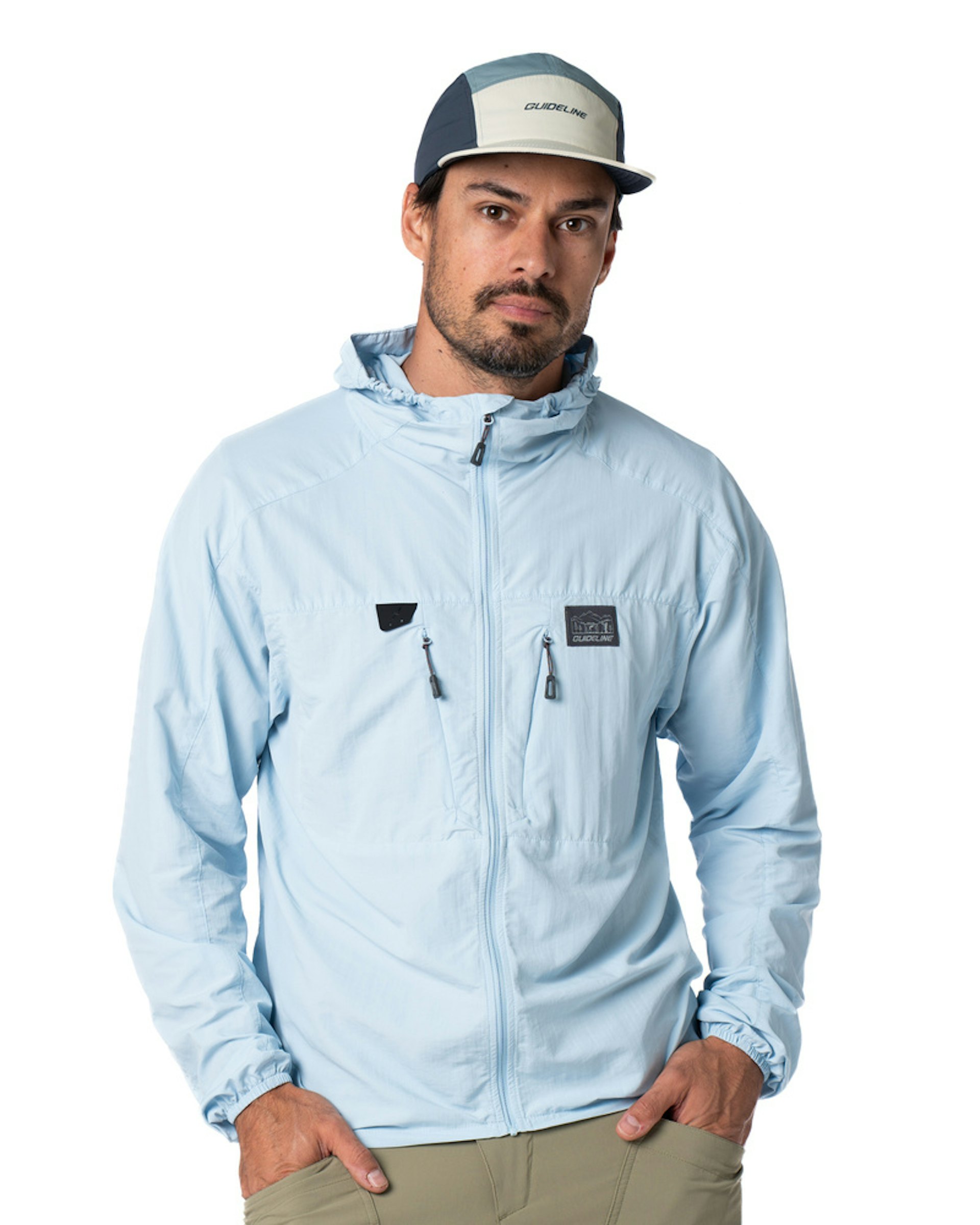
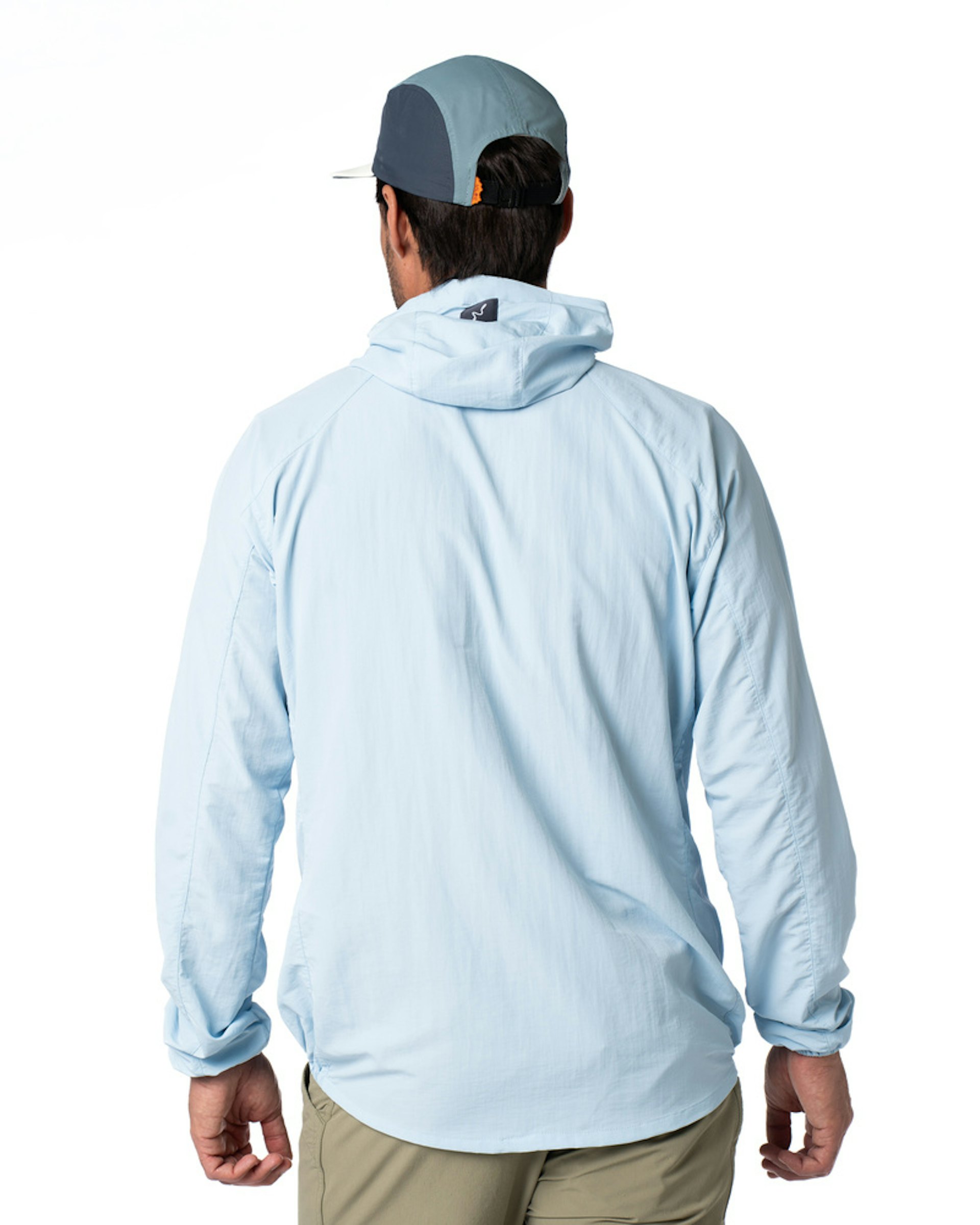
ULBC Tactical Jacket is ultralight, windproof and highly breathable for hiking and fishing. Tightly woven bluesign®‑certified nylon fabric blocks mosquitoes without chemicals, dries fast and resists abrasion. UPF 50+ sun protection and ample storage with vertical zip pockets, Hypalon tool dock and neck D-ring makes it a great garment for fly anglers on the move.
Our model measures 183cm/80kg (6'0"/176 lbs) and wears size M
ULBC Tactical Jkt Tropic Blue
175.00 USD


The ULBC Packable Cap is an ultralight, foldable cap designed for comfort and convenience. Featuring an elasticated neckband, moisture-wicking sweatband, and durable lightweight fabric, it's perfect for active anglers.
general.read_moreULBC Packable Cap - Coastal
39.99 USD
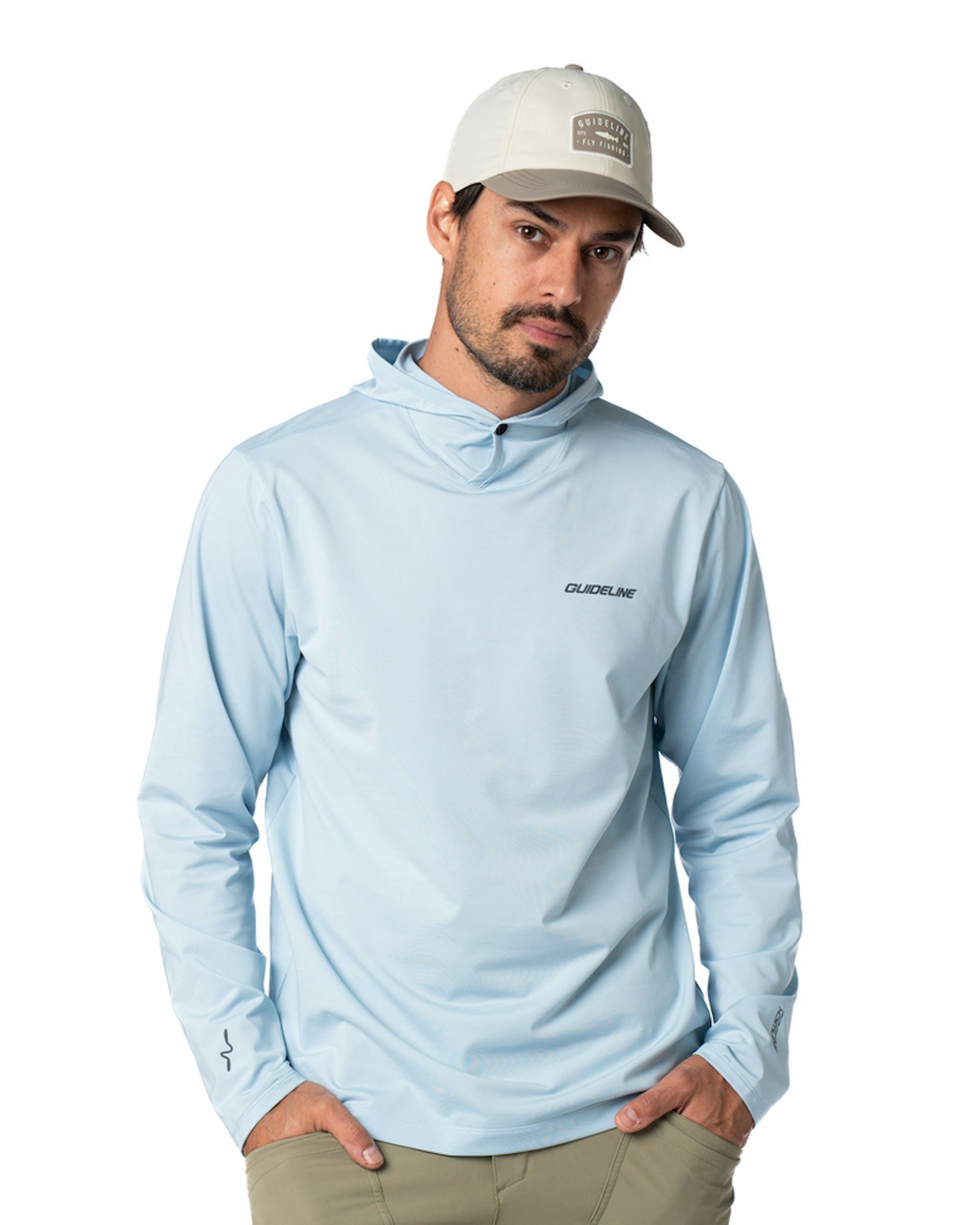
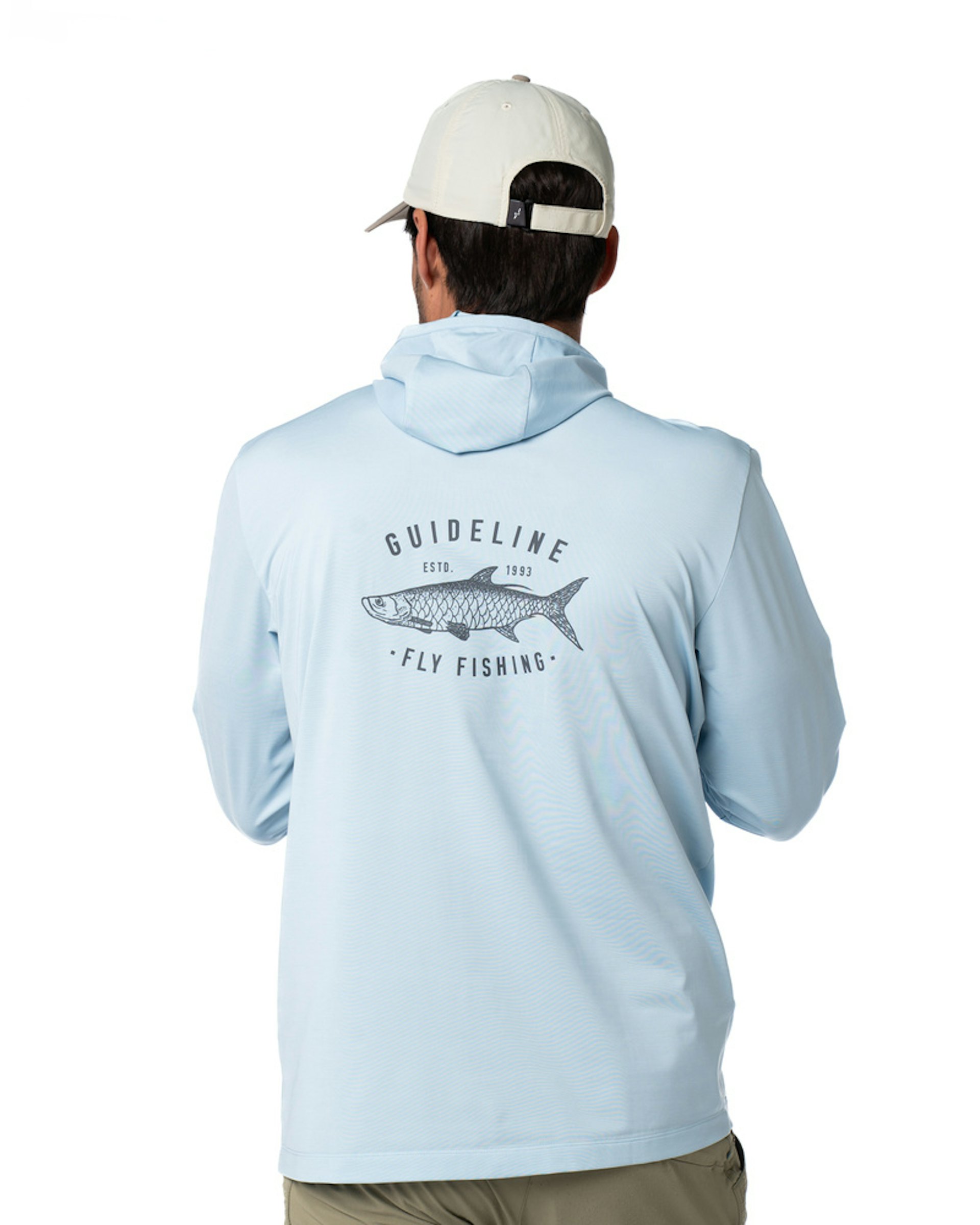
Comfortable and quick-drying long-sleeve shirt with a hood, designed for the active fly angler. The shirt provides strong sun protection with UPF 50+, and features a plant based HeiQ Mint™ odor control. Elastic thumb grips prevent the sleeves from riding up.
Our model measures 183cm/80kg (6'0"/176 lbs) and wears size M
Sunwick Hoodie Tropic Blue
99.99 USD
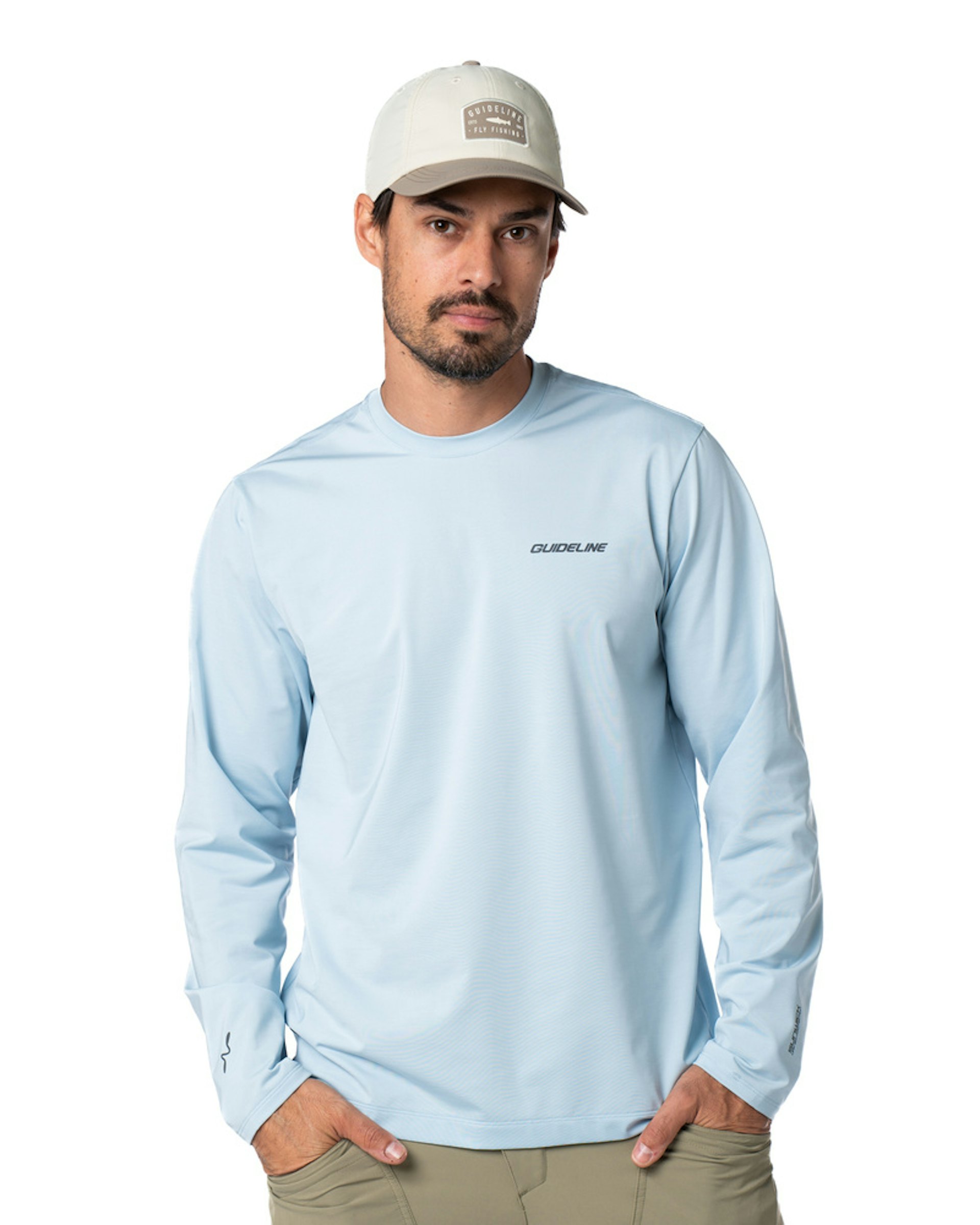

Comfortable and quick-drying long-sleeve shirt with a crewneck collar, designed for the active fly angler. The shirt provides strong sun protection with UPF 50+, and features a plant based HeiQ Mint™ odor control. Elastic thumb grips prevent the sleeves from riding up.
Our model measures 183cm/80kg (6'0"/176 lbs) and wears size M
Sunwick Crewneck Tropic Blue
89.99 USD